Views: 0 Author: Site Editor Publish Time: 2026-05-29 Origin: Site


Have you ever noticed that an air conditioner does more than make the room cooler? After running for a while, the air often feels lighter, drier, and more comfortable. This happens because the Evaporator is not only responsible for cooling the air, but also for removing part of the moisture from it.
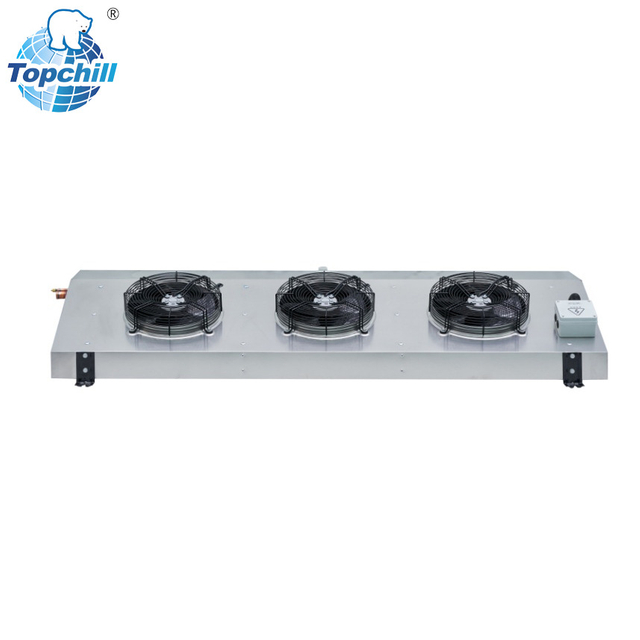
For many users, humidity control is just as important as temperature control. A room may feel uncomfortable even when the temperature is low if the air still contains too much moisture. In an air conditioning or refrigeration system, the Evaporator plays a direct role in solving this problem.
In this post, we will explain how the Evaporator removes humidity from the passing air, why water droplets form on the coil surface, what role the dew point plays, and which factors affect the dehumidification performance of an Evaporator.
An Evaporator is a heat exchange component in an air conditioning, refrigeration, or cooling system. Its main function is to absorb heat from the air passing over it. Inside the Evaporator, low-temperature refrigerant flows through tubes or channels. Outside the Evaporator, warm air passes across the coil surface.
When the warm air contacts the cold surface of the Evaporator, heat transfers from the air to the refrigerant. As the refrigerant absorbs heat, it evaporates from liquid into vapor. This process lowers the air temperature and supports the cooling cycle.
However, the Evaporator does not only remove heat. When its surface temperature is low enough, it also removes moisture from the air. This is the basic reason why an air conditioning system can reduce indoor humidity while cooling the room.
The Evaporator removes humidity by cooling the passing air below its dew point. The dew point is the temperature at which water vapor in the air begins to condense into liquid water.
Warm air can hold more moisture than cold air. When humid air passes over the cold Evaporator coil, its temperature drops. Once the air temperature reaches the dew point, the air can no longer hold all of its moisture. As a result, part of the water vapor changes into liquid water and forms droplets on the Evaporator surface.
This process is similar to what happens when a cold drink is placed in a warm room. Water droplets appear on the outside of the glass because moisture in the air condenses on the cold surface. The Evaporator works in the same way, but in a more controlled and continuous process.
The condensed water collects on the fins and tubes of the Evaporator, then flows into a drain pan and leaves the system through a condensate drain. After this process, the air leaving the Evaporator is cooler and drier than the air entering it.
The dehumidification process inside the Evaporator can be understood in four simple steps.
First, warm and humid air is drawn into the system by a fan or blower. This air contains both heat and water vapor.
Second, the air passes across the cold surface of the Evaporator. At the same time, low-temperature refrigerant inside the Evaporator absorbs heat from the air.
Third, as the air cools down, it reaches the dew point. Once this happens, water vapor begins to condense into liquid water on the Evaporator coil surface.
Fourth, the condensed water flows down into the drain pan and is discharged through the drainage system. The air that leaves the Evaporator contains less moisture, so it feels drier and more comfortable.
Stage | What Happens | Result |
Air enters the system | Warm humid air moves toward the Evaporator | Moist air reaches the coil |
Heat transfer begins | Refrigerant absorbs heat from the air | Air temperature drops |
Dew point is reached | Water vapor begins to condense | Moisture becomes liquid water |
Condensate drains away | Water flows into the drain pan | Air becomes cooler and drier |
The dew point is the key to understanding how an Evaporator removes humidity. If the Evaporator surface is above the dew point, the air may become cooler, but little moisture will be removed. If the Evaporator surface is below the dew point, moisture will condense on the coil.
This means the Evaporator must be cold enough to cause condensation, but not so cold that it causes frost or ice. If the coil temperature becomes too low, water droplets may freeze on the Evaporator surface. Ice blocks airflow, reduces heat transfer, and weakens both cooling and dehumidification.
A properly designed Evaporator keeps a suitable surface temperature. It allows moisture to condense efficiently while helping the system avoid freezing under normal operating conditions.
Cooling and dehumidification happen together, but they are not exactly the same. Cooling means lowering the air temperature. Dehumidification means removing moisture from the air.
The Evaporator performs both tasks. When the Evaporator removes sensible heat, the air becomes cooler. When it removes latent heat, moisture condenses and drains away.
Function | Meaning | Role of the Evaporator |
Cooling | Reducing air temperature | The Evaporator absorbs heat from passing air |
Dehumidification | Removing water vapor from air | The Evaporator cools air below the dew point |
Comfort improvement | Making air feel cooler and drier | The Evaporator controls both temperature and moisture |
This is why a good Evaporator is important for comfort. If the Evaporator only cools the air but does not remove enough humidity, the room may still feel damp or stuffy.
Several factors influence how well an Evaporator removes humidity from the passing air.
The surface temperature of the Evaporator must be lower than the dew point of the air. If the coil is not cold enough, condensation will be weak. If it is too cold, ice may form. The correct temperature balance is essential for stable humidity removal.
Airflow also affects dehumidification. If air moves too quickly across the Evaporator, it may not stay in contact with the cold surface long enough. This can reduce moisture removal. If airflow is too low, the Evaporator may become too cold and freeze.
A larger heat exchange surface gives the air more contact with the cold Evaporator coil. This can improve both cooling and moisture condensation. Fin design, tube layout, and coil structure all influence the contact area.
A dirty Evaporator cannot remove humidity efficiently. Dust, oil, or debris on the coil surface reduces heat transfer. When heat transfer becomes weaker, the air may not cool properly, and less moisture may condense.
After water condenses on the Evaporator, it must drain away smoothly. If the drain pan or drain line is blocked, water may remain in the system. This can cause leakage, odor, corrosion, or microbial growth.
Water forms on the Evaporator coil because moisture in the air changes from vapor to liquid. This happens when the air contacts a cold surface and drops below its dew point.
The water is not created by the Evaporator itself. It already exists in the air as invisible water vapor. The Evaporator simply creates the right temperature condition for this vapor to condense.
In normal operation, water droplets on the Evaporator are a sign that dehumidification is happening. However, excessive water, poor drainage, or ice formation may indicate a problem with airflow, refrigerant charge, coil cleanliness, or system design.
If an Evaporator is not removing humidity properly, the system may show several signs. The air may feel cool but still damp. The indoor humidity may remain high. Water may leak from the unit. Ice may form on the coil. There may also be a musty smell near the air outlet.
These problems are often related to poor airflow, dirty filters, blocked coils, incorrect refrigerant charge, or drainage failure. In some cases, the Evaporator may not be properly matched to the cooling system or humidity load.
For stable performance, the Evaporator should be correctly designed, properly installed, and regularly maintained.
To keep the Evaporator working well, the coil surface should remain clean and the airflow should remain stable. Air filters should be cleaned or replaced regularly because blocked filters reduce airflow and may cause the Evaporator to freeze.
The condensate drain should also be checked. If water cannot drain away, moisture may collect inside the unit and cause leakage or odor. Regular inspection helps keep the Evaporator clean, dry, and efficient.
The refrigerant level should be checked by a qualified technician when the system shows signs of poor cooling or poor humidity removal. Too much or too little refrigerant can affect the operating temperature of the Evaporator and reduce dehumidification performance.
The Evaporator removes humidity from the passing air by cooling the air below its dew point. When warm humid air flows across the cold Evaporator surface, water vapor condenses into liquid water. This water collects on the coil, flows into the drain pan, and leaves the system through the condensate drain.
The result is air that is not only cooler, but also drier and more comfortable. For effective humidity removal, the Evaporator must have the right surface temperature, proper airflow, clean coil surfaces, suitable heat exchange design, and reliable drainage.
A well-designed and well-maintained Evaporator is essential for stable cooling, effective dehumidification, and long-term system performance. As a professional Evaporator manufacturer, Chengdu Topchill Environmental Control Technology Co., Ltd. focuses on providing reliable Evaporator solutions designed to support efficient heat exchange, stable humidity control, and durable system operation.
Yes. An Evaporator removes humidity by cooling the passing air below its dew point. When this happens, water vapor condenses into liquid water on the coil surface.
Water drips from the Evaporator because moisture in the air condenses on the cold coil. This water should flow into the drain pan and leave through the condensate drain.
Yes. If the Evaporator surface is not below the dew point, it may cool the air but remove very little moisture. Effective dehumidification requires condensation.
An Evaporator may freeze because of low airflow, dirty filters, blocked coils, low refrigerant charge, or incorrect system operation. Ice reduces both cooling and humidity removal performance.
You can improve Evaporator humidity removal by keeping the coil clean, maintaining proper airflow, clearing the drain line, checking refrigerant condition, and choosing an Evaporator that matches the system’s cooling and humidity load.