Views: 0 Author: Site Editor Publish Time: 2026-05-27 Origin: Site


An Evaporator may look like only one part of a cooling or heat exchange system, but it is actually one of the most important components. Without an Evaporator, a refrigeration system cannot absorb heat, an air conditioner cannot cool indoor air, and many industrial processes cannot complete evaporation or concentration efficiently.
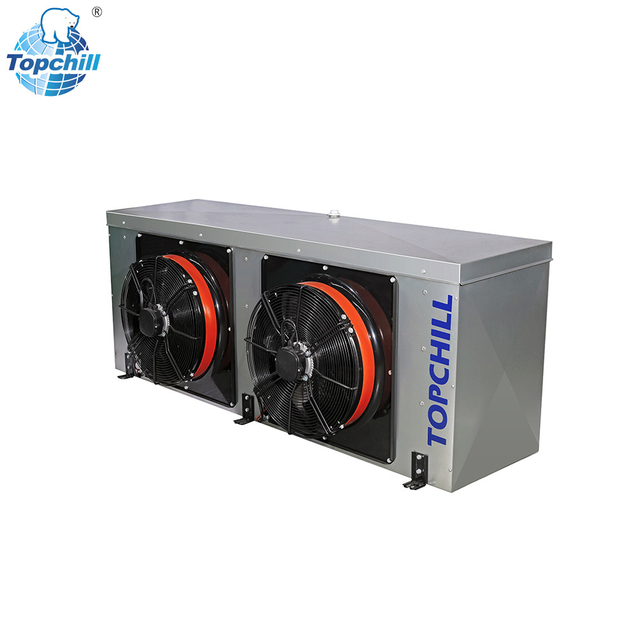
So, what is the function of an Evaporator? In simple terms, the main function of an Evaporator is to absorb heat from a medium and help liquid change into vapor. This process allows the system to remove heat, create cooling, or concentrate liquid materials. For buyers, engineers, and equipment users, understanding the function of an Evaporator helps in choosing the right product and improving system performance.
In this article, we will explain what an Evaporator does, how it works, where it is used, and why its design quality is important.
An Evaporator is a heat exchange device used to absorb heat from air, water, refrigerant, or process liquid. It is commonly used in refrigeration systems, air conditioning systems, heat pumps, cold storage equipment, food processing lines, chemical plants, and industrial evaporation systems.
The basic role of an Evaporator is heat absorption. When heat enters the Evaporator, the working fluid inside the system absorbs this heat and evaporates. In refrigeration and HVAC systems, this process creates a cooling effect. In industrial production, this process can remove water or solvent from liquid materials and make the liquid more concentrated.
Although different systems use different types of Evaporator, the core principle is similar: the Evaporator transfers heat from one medium to another through a heat exchange surface.
The main function of an Evaporator is to absorb heat and support evaporation. This function can be understood from three aspects.
First, an Evaporator removes heat from the surrounding medium. In an air conditioning system, the Evaporator absorbs heat from indoor air. In a cold storage system, the Evaporator absorbs heat from the storage room to keep food, medicine, or other goods at a low temperature.
Second, an Evaporator helps liquid change into vapor. In refrigeration systems, low-pressure refrigerant enters the Evaporator and absorbs heat. After absorbing enough heat, the refrigerant evaporates into vapor and returns to the compressor.
Third, an Evaporator helps improve system efficiency. A well-designed Evaporator can provide better heat transfer, reduce energy consumption, maintain stable operation, and extend equipment service life.
Main Function | Explanation | Common Application |
Heat absorption | Absorbs heat from air, water, or process liquid | HVAC, refrigeration, heat pumps |
Cooling effect | Removes heat to lower the temperature | Air conditioners, cold rooms, chillers |
Liquid evaporation | Helps liquid change into vapor | Industrial evaporation, chemical processing |
Liquid concentration | Removes water or solvent from liquid | Food, beverage, pharmaceutical industries |
Energy efficiency | Improves heat transfer performance | Industrial heat exchange systems |
An Evaporator works through heat transfer. In a refrigeration system, the refrigerant enters the Evaporator at low temperature and low pressure. At the same time, warmer air or fluid passes over the surface of the Evaporator. Because heat naturally moves from a warmer area to a colder area, the refrigerant absorbs heat from the air or fluid.
As the refrigerant absorbs heat, it changes from liquid into vapor. This evaporation process removes heat from the surrounding area, so the air or fluid becomes cooler. The vapor then leaves the Evaporator and goes to the compressor, where the refrigeration cycle continues.
In industrial evaporation systems, the process is slightly different. The Evaporator heats a liquid material so that part of the liquid becomes vapor. The vapor is separated, and the remaining liquid becomes more concentrated. This type of Evaporator is often used in food processing, chemical production, wastewater treatment, and pharmaceutical manufacturing.
The Evaporator is important because it directly affects cooling capacity, evaporation efficiency, energy consumption, and system stability. If the Evaporator is too small, poorly designed, or made from unsuitable materials, the whole system may not perform well.
A high-quality Evaporator can provide stable heat transfer and reduce operating costs. It can also help prevent common problems such as poor cooling, frosting, scaling, corrosion, leakage, and frequent maintenance.
For industrial users, the Evaporator is not only a component but also a key factor in production efficiency. A reliable Evaporator helps maintain product quality, reduce downtime, and improve long-term equipment performance.
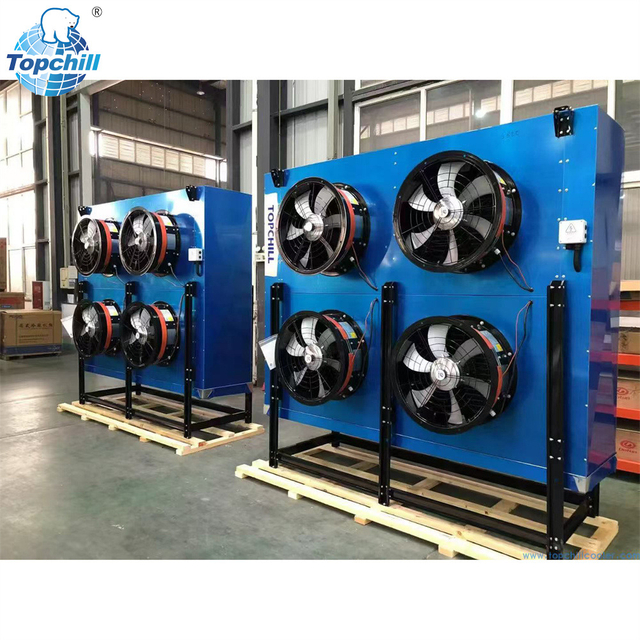
Different applications require different Evaporator designs. The most common types include shell and tube Evaporator, finned tube Evaporator, plate Evaporator, falling film Evaporator, and forced circulation Evaporator.
A shell and tube Evaporator is suitable for industrial cooling and large heat exchange systems. It has strong structure, good pressure resistance, and wide material options.
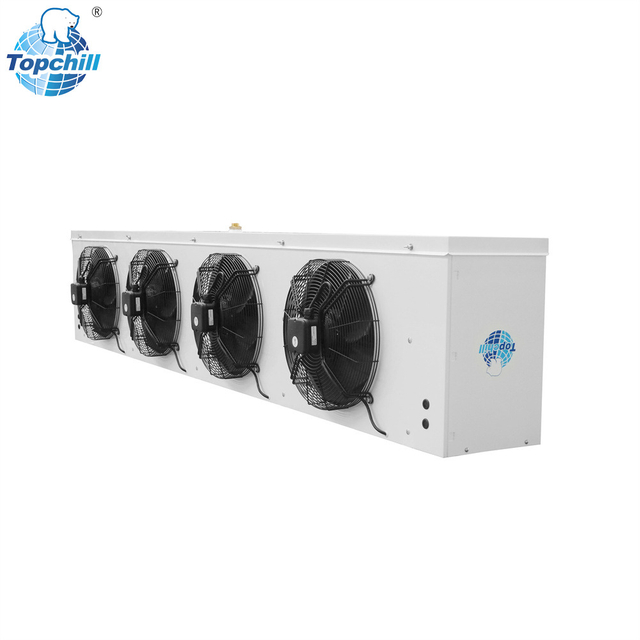
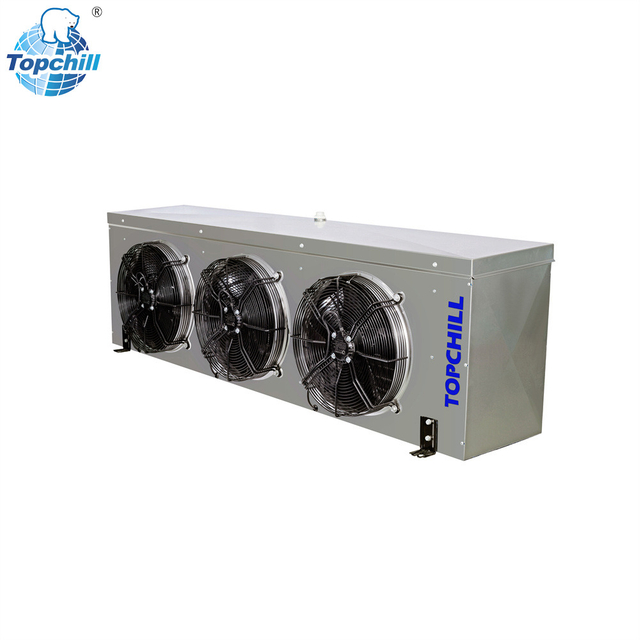
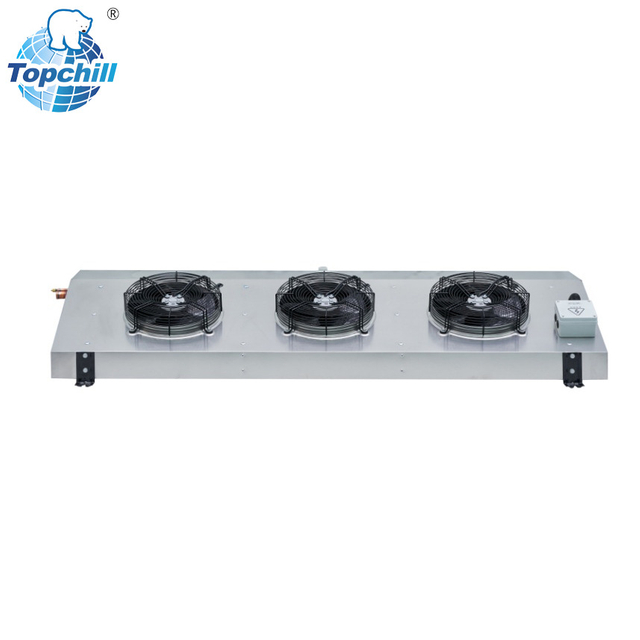
A finned tube Evaporator is commonly used in air conditioning, refrigeration, and cold storage. The fins increase the heat exchange area and improve air cooling performance.
A plate Evaporator has a compact structure and high heat transfer efficiency. It is often used in food, beverage, heat pump, and process cooling systems.
A falling film Evaporator is suitable for heat-sensitive liquids because it allows liquid to flow as a thin film over the heating surface. This helps reduce heating time and protect product quality.
A forced circulation Evaporator is suitable for viscous liquids, high-solid materials, and applications that are easy to scale or crystallize.
An Evaporator is widely used in many systems that need cooling, heat exchange, or liquid concentration. In HVAC systems, the Evaporator cools indoor air. In refrigeration systems, the Evaporator keeps cold rooms and freezers at the required temperature. In heat pump systems, the Evaporator absorbs heat from air, water, or the ground.
In industrial fields, the Evaporator is used to concentrate liquids, recover solvents, reduce wastewater volume, and support production processes. Food factories use Evaporator equipment for milk, juice, syrup, and other liquid products. Chemical plants use Evaporator equipment for solution concentration and solvent recovery. Pharmaceutical manufacturers use Evaporator systems where controlled evaporation is required.
Choosing a suitable Evaporator depends on the actual working conditions. Before selecting an Evaporator, buyers should confirm the application, working medium, temperature, pressure, capacity, material requirements, and installation space.
Material selection is very important. Stainless steel is commonly used for corrosion resistance and hygiene requirements. Carbon steel may be used in some general industrial systems. Copper, aluminum, titanium, or special alloys may be selected according to the system design and medium characteristics.
Heat transfer area is also important. A larger or optimized heat exchange surface can improve Evaporator performance. However, bigger is not always better. The Evaporator must match the system capacity, flow rate, and operating conditions.
Maintenance should also be considered. A good Evaporator should be easy to inspect, clean, and repair. This is especially important for industries where fouling, scaling, or product residue may occur.
The main function of an Evaporator is to absorb heat and support evaporation. In refrigeration and HVAC systems, the Evaporator creates a cooling effect by removing heat from air or fluid. In industrial systems, the Evaporator helps remove water or solvent from liquid materials and supports concentration or heat exchange processes.
A high-quality Evaporator can improve system efficiency, reduce energy consumption, support stable operation, and extend equipment service life. For buyers and project engineers, choosing the right Evaporator means better performance, lower maintenance costs, and more reliable long-term operation.
The main function of an Evaporator is to absorb heat from air, water, refrigerant, or process liquid and support evaporation or cooling.
An Evaporator creates cooling by absorbing heat from the surrounding air or fluid. As the refrigerant inside the Evaporator absorbs heat, it evaporates and removes heat from the space or medium.
An Evaporator is commonly used in air conditioning, refrigeration, cold storage, heat pumps, food processing, chemical production, pharmaceutical manufacturing, and wastewater treatment.
Evaporator performance is affected by heat transfer area, material selection, flow design, operating temperature, pressure, fouling, scaling, and manufacturing quality.
To choose the right Evaporator, you should consider the application, working medium, temperature, pressure, capacity, material, installation space, and maintenance requirements.