Views: 0 Author: Site Editor Publish Time: 2026-06-03 Origin: Site


A small clogged drain line can create a big air conditioning problem. Many AC water leaks do not start from a damaged Evaporator coil, but from a blocked drain line that can no longer carry condensate water away from the system. If the drain line is ignored, water may overflow, damage walls or ceilings, create odors, and even shut down the AC system.
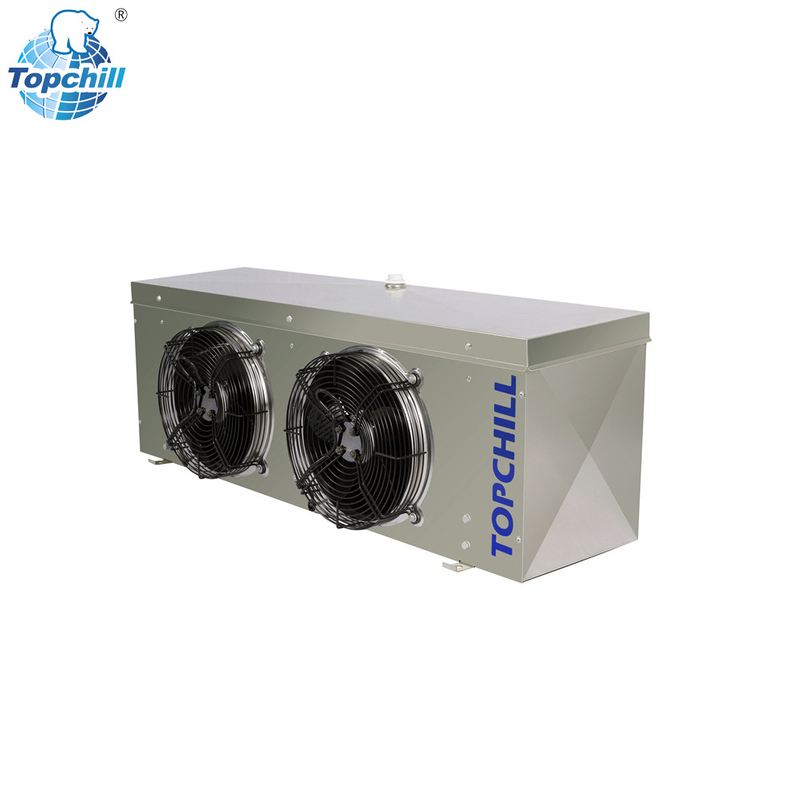
The Evaporator removes heat and moisture from passing air during cooling. When humid air passes across the cold Evaporator surface, moisture condenses into water and flows into the drain pan. The problem begins when this water cannot leave through the Evaporator drain line because dirt, algae, slime, or debris blocks the path.
In this post, we’ll discuss how to unclog an Evaporator drain line safely, how to identify the signs of blockage, what tools you may need, and how to prevent the drain line from clogging again. You will also learn why proper Evaporator design, drain pan structure, and regular maintenance are important for long-term AC performance.
An Evaporator drain line is the pipe or tube that carries condensate water away from the AC system. During normal cooling operation, the Evaporator coil becomes cold. Warm humid air passes over the coil, and moisture in the air condenses into liquid water. This water collects in the drain pan and then leaves the system through the drain line.
The Evaporator drain line is part of the condensate drainage system. It is not part of the refrigerant circuit. Refrigerant flows inside the Evaporator coil to absorb heat, while condensate water flows outside the coil into the drain pan and drain line.
In many central AC systems, the drain line is often a PVC pipe connected to the indoor unit, air handler, or coil cabinet. In ductless mini-split systems, the drain line may be a flexible hose connected to the indoor unit. In both cases, the purpose is the same: remove water produced around the Evaporator during cooling and dehumidification.
If the drain line works properly, condensate water leaves the system smoothly. If it becomes clogged, water may back up into the drain pan and overflow. This is why keeping the Evaporator drain line clear is important for both comfort and equipment protection.
The Evaporator drain line can clog for several reasons. The most common cause is dirt and dust. Even with an air filter, small particles can reach the Evaporator area over time. When these particles mix with moisture, they may form sludge inside the drain pan or drain line.
Algae and mold growth are also common causes. The Evaporator area is often cool and wet during operation. This creates a suitable environment for biological buildup, especially in humid climates or systems that run for long hours. Over time, algae, mold, and slime can narrow the drain line and eventually block it.
Poor maintenance can make clogging more likely. If the air filter is dirty, more dust may reach the Evaporator coil and drain pan. If the coil is dirty, more debris may wash into the drain system. If the drain pan is not checked, small buildup can become a serious blockage.
Installation also matters. A drain line needs proper slope so water can flow away by gravity. If the drain line is too flat, bent, poorly supported, or incorrectly routed, water may move slowly and allow buildup to collect. In some systems, long drain lines or sharp turns can also increase the chance of blockage.
Common causes of an Evaporator drain line clog include:
Dust and dirt buildup
Algae or mold growth
Slime inside the pipe
Rust or debris from the drain pan
Dirty Evaporator coil
Dirty air filter
Poor drain line slope
Improper installation
Lack of regular maintenance
A clogged Evaporator drain line usually shows visible warning signs. The most obvious sign is water leaking near the indoor unit. If the drain line is blocked, condensate water has nowhere to go. It may overflow from the drain pan and appear around the air handler, ceiling, wall, or floor.
Another sign is standing water in the drain pan. A small amount of moisture may be normal during operation, but a pan filled with water usually means drainage is poor. If the system has a float switch, the AC may shut off automatically when the water level rises too high.
Musty odor can also indicate drainage problems. When water stays around the Evaporator area for too long, mold or bacteria may grow. This can create an unpleasant smell from the air outlet.
Higher indoor humidity may also appear if condensate drainage is not working properly. The Evaporator may still cool the air, but poor drainage and dirty coil conditions can reduce dehumidification performance.
Warning Sign | What It May Mean | Why It Matters |
|---|---|---|
Water leaking near indoor unit | Drain line may be blocked | Can damage floors, walls, or ceilings |
Full drain pan | Condensate cannot leave properly | May trigger float switch or overflow |
Musty odor | Standing water or biological growth | Can affect indoor air quality |
AC shuts off | Safety switch may be activated | Prevents overflow but stops cooling |
High indoor humidity | Drainage or coil performance problem | Reduces comfort and dehumidification |
Water stains | Long-term leakage | May indicate hidden drainage issues |
If these signs appear, the Evaporator drain line should be checked as soon as possible. Early cleaning can prevent more serious water damage.
Before trying to unclog an Evaporator drain line, safety should come first. Turn off the air conditioner at the thermostat. If possible, turn off power to the indoor unit before opening any access panel. This helps reduce the risk of electrical shock and prevents more condensate from entering the drain pan while you inspect the system.
Do not touch electrical parts, refrigerant lines, sharp coil fins, or sealed components. The Evaporator coil can have delicate fins that are easy to bend. Refrigerant lines should not be loosened or opened. If the system is difficult to access or the leak is serious, it is better to call a professional HVAC technician.
This article provides general maintenance guidance for basic drain line blockage. It is not a replacement for professional repair. If the drain line clogs repeatedly, if there is ice on the Evaporator coil, or if water damage has already happened, professional inspection is recommended.
The tools needed to unclog an Evaporator drain line are usually simple. A wet/dry vacuum is one of the most useful tools because it can pull debris, sludge, and water out from the drain outlet. Warm water can help flush soft buildup. Vinegar or an approved condensate line cleaner may help clean light biological residue.
A flexible brush or pipe cleaning tool may be useful for blockage near the access opening. Towels can help control water spills. Gloves and a flashlight are also helpful for safe inspection. If the system has an access panel, a screwdriver may be needed.
Avoid using strong chemicals unless the AC manufacturer or technician approves them. Harsh chemicals may damage drain components, create unsafe fumes, or affect nearby materials. For most light clogs, vacuuming and flushing are safer first steps.
Basic tools may include:
Wet/dry vacuum
Warm water
Vinegar or approved condensate line cleaner
Flexible brush
Small funnel or cup
Towels
Gloves
Flashlight
Screwdriver for access panel if needed
The first step is to turn off the AC system. Switch the thermostat to off. If you need to open the indoor unit or air handler, turn off power to the unit as well. This prevents the system from producing more condensate during inspection.
Turning off the system also gives you time to check the drain pan and drain line safely. If the AC has already shut down because of a float switch, do not keep restarting it without solving the drainage problem.
Next, locate the Evaporator drain line. In a central AC system, it is usually near the indoor air handler, furnace, or coil cabinet. It is often a white PVC pipe connected to the drain pan area. In a mini-split system, it may be a flexible drain hose leading from the indoor unit to the outside or another drainage point.
Look for a pipe or tube that carries water away from the indoor unit. You may also find a drain access opening or cleanout cap. The drain outlet may be outside the building, near a floor drain, or connected to a condensate pump.
If accessible, check the drain pan under the Evaporator coil. If the pan is full of water, the drain line is likely blocked. Remove visible debris, dirt, or slime carefully. Use towels if water is close to overflowing.
Do not force tools into the Evaporator coil area. The coil fins can be damaged easily. If the drain pan is rusted, cracked, or damaged, the problem may not be only a clogged line. In that case, professional repair may be needed.
One of the most common ways to clear a clogged Evaporator drain line is to use a wet/dry vacuum at the drain outlet. Find the outdoor end of the drain line or the end near the drainage point. Attach the vacuum hose tightly to the outlet. You can use a cloth or tape around the connection to improve suction.
Run the vacuum for a short time. The suction may pull out water, algae, dirt, or sludge from the line. After vacuuming, check the vacuum tank for debris. If a large amount of slime or water comes out, the blockage was likely inside the drain line.
This method is effective because it pulls blockage out instead of pushing it deeper into the pipe.
After vacuuming, flush the drain line if there is a safe access opening. Slowly pour warm water into the drain access point. If water flows out properly, the line is clearing. If water backs up, the clog may still be present.
You may use vinegar or an approved condensate line cleaner if suitable for the system. Let it sit briefly, then flush with water again. Do not pour too much water at once, especially if the line is still blocked. Too much water may overflow the drain pan.
If the blockage is near the opening, a flexible brush may help remove soft buildup. Insert it carefully into the accessible section of the drain line. Do not force it around tight bends or deep into the pipe. If the brush cannot move easily, stop and use a vacuum method or call a technician.
The goal is to remove light slime, dust, or algae near the cleanout area. For deep or repeated clogs, professional tools may be required.
After cleaning, turn the AC system back on. Let it run for a short time and check whether water drains properly. Look at the drain outlet, drain pan, and indoor unit area. There should be no overflow or leakage.
If the drain line still does not drain, if water backs up again, or if the float switch keeps shutting off the system, call a professional technician. A repeated clog may be caused by poor slope, internal pipe damage, heavy biological buildup, or a deeper installation problem.
Different methods can be used depending on the blockage level. The table below compares common options.
Method | Best For | Advantage | Caution |
|---|---|---|---|
Wet/dry vacuum | Sludge, water, algae buildup | Pulls blockage out from the outlet | Seal the hose well for better suction |
Warm water flush | Light dirt and loose buildup | Simple and gentle | Do not overfill if the line is still blocked |
Vinegar or approved cleaner | Mild biological residue | Helps reduce odor and slime | Avoid harsh chemicals |
Flexible brush | Buildup near access opening | Useful for local cleaning | Do not force into bends |
Professional service | Repeated or severe clogs | Finds deeper system problems | Needed when DIY methods fail |
For most simple clogs, a wet/dry vacuum followed by a gentle flush is often a practical approach. For repeated blockage, deeper inspection is better.
You should call a technician if the Evaporator drain line clogs repeatedly. A one-time clog may be caused by simple dirt buildup, but repeated clogs may point to a bigger issue. The drain line may have poor slope, the drain pan may be damaged, or the Evaporator coil may be too dirty.
Professional service is also recommended if water leakage is serious. Water can damage ceilings, floors, walls, insulation, and electrical components. If the indoor unit is installed in an attic or ceiling space, a clogged drain line can cause expensive damage if ignored.
Call a technician if you see ice on the Evaporator coil. Ice may be caused by low airflow, low refrigerant charge, dirty filters, or other system problems. Simply clearing the drain line will not solve ice formation if the root cause is not drainage.
You should also get professional help if there is strong mold odor, visible microbial growth, or the indoor unit is difficult to access. Professional cleaning can protect both equipment and indoor air quality.
Prevention is easier than emergency cleaning. The first step is to keep the air filter clean. A dirty filter allows more dust to enter the system and reduces airflow across the Evaporator coil. Poor airflow can cause more condensation problems and may contribute to coil freezing.
The Evaporator coil should also be kept clean. When the coil surface is dirty, condensate may carry dirt into the drain pan and drain line. Routine coil inspection helps reduce buildup and improves heat exchange performance.
The drain line should be flushed periodically during maintenance. In humid environments or systems that run frequently, more frequent checks may be needed. If the drain line has a cleanout opening, regular flushing with water or approved cleaner can help reduce algae and slime.
Drain pan condition should also be inspected. Rust, debris, standing water, or poor slope can all lead to drainage problems. The drain line should have enough slope so water can move away by gravity. If the drain line is too flat, it may need professional adjustment.
The Evaporator drain line works together with the Evaporator coil and drain pan. If the Evaporator produces condensate, the drain pan must collect it properly, and the drain line must remove it smoothly. Good drainage is not only a maintenance issue; it is also a design issue.
A well-designed Evaporator system should support smooth water flow. The coil should be positioned so condensate can move downward into the drain pan. The drain pan should be shaped to collect water without holding too much standing moisture. The outlet should be placed where water can leave efficiently.
For OEM and customized cooling systems, drainage design is especially important. The Evaporator may need to fit into a compact indoor unit, cabinet, or special equipment structure. If drainage is not considered during design, the system may face leakage, odor, corrosion, or maintenance difficulty later.
As an Evaporator manufacturer, focusing on coil structure, drain pan compatibility, airflow path, and service access can help customers reduce long-term maintenance problems. For users, choosing a reliable Evaporator design can support better cooling, dehumidification, and drainage performance.
A reliable Evaporator should not only transfer heat efficiently, but also support stable condensate removal. When humid air passes over the cold coil, water will form naturally. If the coil, pan, and drain structure are not matched well, the system may suffer from water carryover, leakage, or repeated clogging.
Important design factors include fin spacing, coil angle, drainage direction, condensate outlet location, material selection, and ease of cleaning. In humid or corrosive environments, corrosion-resistant materials or surface treatments may help improve long-term reliability.
For customized AC systems, the Evaporator should be selected according to installation space, airflow direction, humidity load, cooling capacity, refrigerant connection, and drain structure. A professional Evaporator manufacturer can help adjust the design so the drainage path matches the actual system layout.
The Evaporator drain line removes condensate water produced during the cooling and dehumidification process. When warm humid air passes over the cold Evaporator coil, moisture condenses into water, collects in the drain pan, and leaves through the drain line. If the drain line becomes clogged, water can back up and cause leakage, odor, humidity problems, or AC shutdown.
To unclog an Evaporator drain line, turn off the system, locate the drain line, check the drain pan, use a wet/dry vacuum from the outlet, flush the line carefully, and restart the system to check drainage. For repeated clogs, serious leaks, ice on the coil, or hard-to-access systems, professional service is the safer choice.
Long-term prevention depends on clean filters, clean Evaporator coils, regular drain line flushing, proper drain slope, and good drainage design. A well-designed and well-maintained Evaporator system can support efficient cooling, smooth condensate removal, and reliable AC operation.
An Evaporator drain line usually clogs because of dust, dirt, algae, mold, slime, rust, or debris from the drain pan. Dirty filters, dirty coils, humid conditions, and poor maintenance can make clogging more likely.
Common signs include water leaking near the indoor unit, standing water in the drain pan, musty odor, higher indoor humidity, water stains, or the AC system shutting off because of a float switch.
You may be able to clear a simple clog with a wet/dry vacuum, warm water, or an approved condensate line cleaner. If the system is leaking heavily, difficult to access, or clogging repeatedly, call a professional technician.
Yes, it can become serious if ignored. A clogged Evaporator drain line may cause water leakage, ceiling or floor damage, odor, mold growth, corrosion, and AC shutdown.
The Evaporator drain line should be checked during regular AC maintenance. In humid climates or systems that run frequently, more frequent inspection and flushing may be needed to prevent blockage.