Views: 0 Author: Site Editor Publish Time: 2026-03-05 Origin: Site


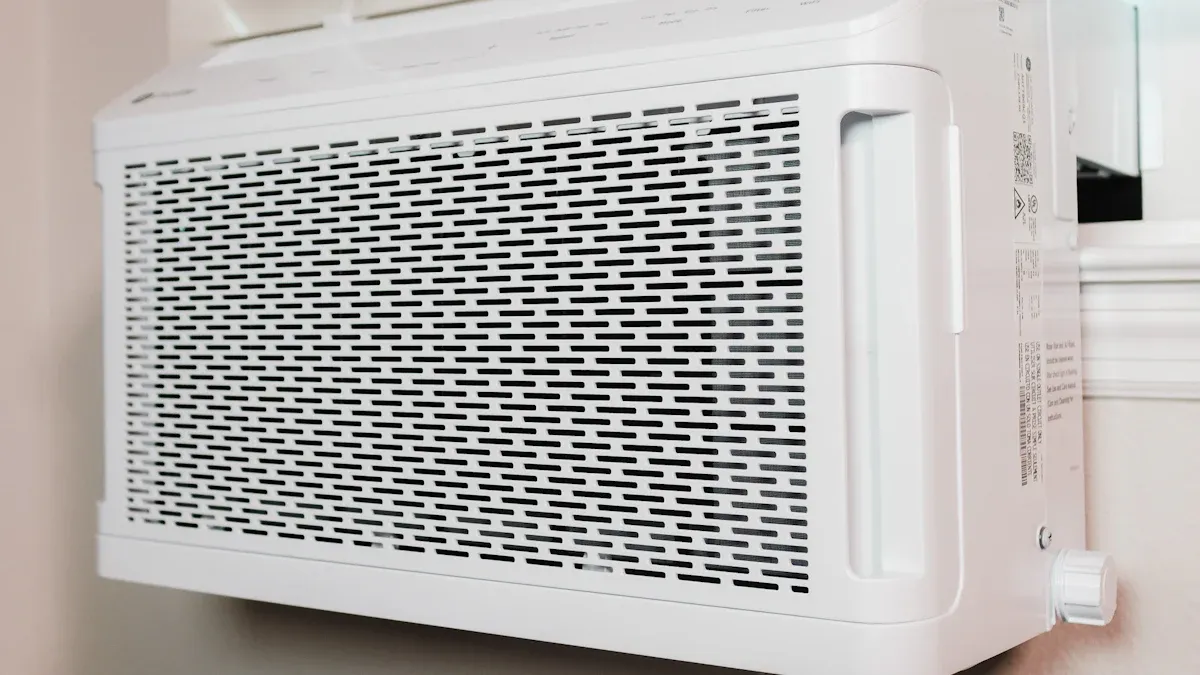
You depend on your ac evaporator to keep your home comfortable. The ac evaporator sits inside your air conditioning unit and absorbs heat from the indoor air. When warm air passes over the ac evaporator coil, the refrigerant inside changes from liquid to gas, pulling heat away and lowering the air temperature. This process gives you efficient cooling and helps maintain a pleasant environment. Understanding how the ac evaporator works lets you spot issues early and take practical steps to protect your system.
The AC evaporator absorbs heat from indoor air, cooling your home effectively.
Regular maintenance of the evaporator coil prevents costly repairs and improves efficiency.
A clean evaporator coil enhances air quality by reducing humidity and preventing mold growth.
Watch for warning signs like strange noises or ice buildup to catch issues early.
Understanding the evaporator's role helps you maintain a comfortable indoor environment.
Use professional services for thorough cleaning and inspection to ensure long-term reliability.
Efficient evaporator coils lead to lower energy bills and better cooling performance.
Schedule cleaning at least once a year, or more often in dusty environments, for optimal results.
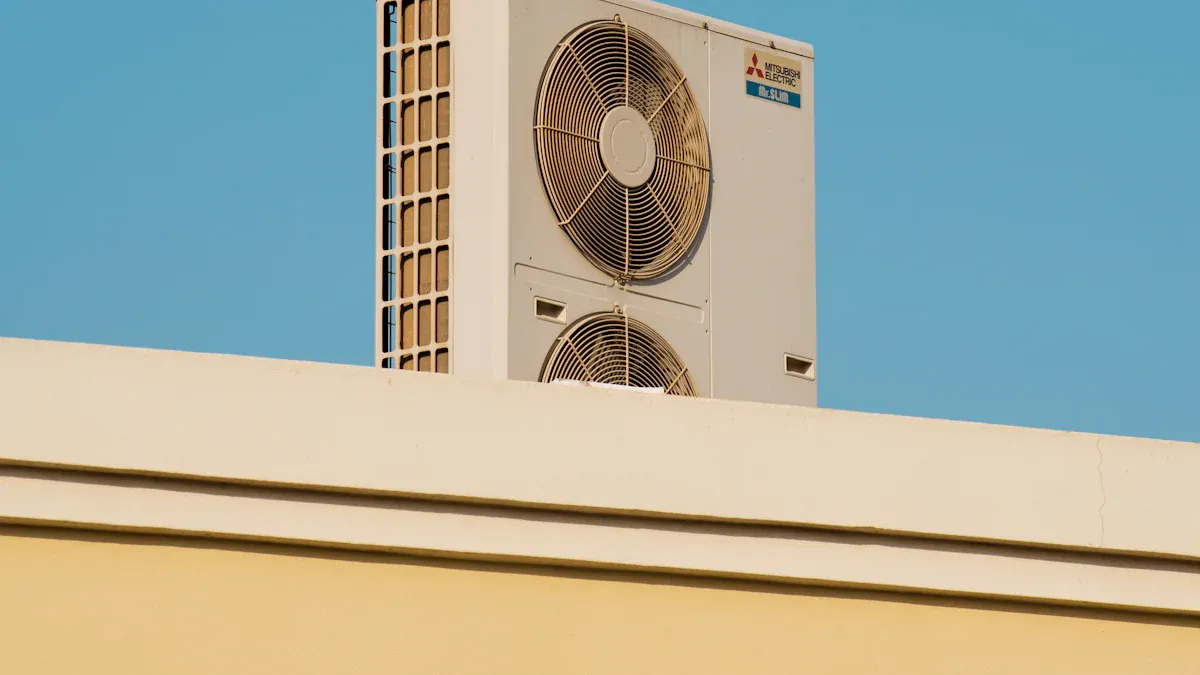
You encounter the ac evaporator as a crucial part of your air conditioning system. The evaporator coil sits at the heart of the refrigeration process. You may hear different names for this part, such as evaporator, evaporator coil, or DX coil. DX stands for "direct expansion," which describes how the refrigerant expands inside the coil to absorb heat. The evaporator coil works by pulling heat from the indoor air and transferring it to the refrigerant. This process cools your home and keeps the air comfortable.
You rely on the evaporator coil to start the cooling cycle. The coil contains refrigerant that changes from liquid to gas as it absorbs heat. This transformation is essential for refrigeration. The evaporator coil also removes moisture from the air, which helps control humidity levels in your home. You benefit from improved comfort and air quality because of this process.
You find the evaporator coil inside the indoor unit of your air conditioning system. Most central air conditioning systems place the evaporator coil in the air handler cabinet. Sometimes, the coil attaches to the furnace, especially in homes with combined heating and cooling systems. You see the evaporator coil positioned near the air handler, where it can efficiently absorb heat from the indoor air.
The evaporator coil sits inside the air handler cabinet.
You may find the coil attached to the furnace in some systems.
The coil stays close to the air handler in the indoor unit.
You notice that the evaporator coil location ensures maximum heat absorption and efficient cooling. The placement allows the coil to interact directly with the air circulating through your home.
You observe several key parts that make up the evaporator coil and support the refrigeration process. Each component plays a specific role in cooling and moisture removal.
Component | Function |
|---|---|
Evaporator Coil | Cools indoor air by absorbing heat from it, transforming refrigerant from liquid to gas. |
Refrigerant | Circulates through the coil, absorbing heat and changing states to facilitate cooling. |
Heat Exchanger | Facilitates the heat exchange process between indoor air and refrigerant. |
Pipes | Connect the evaporator coil to the rest of the air conditioning system, allowing refrigerant flow. |
You see advancements in evaporator coil technology by 2026. Manufacturers focus on enhanced energy efficiency, miniaturization, and compatibility with environmentally friendly refrigerants. You benefit from integration with smart HVAC systems, which improve performance and durability.
Tip: You should understand the main components and placement of the evaporator coil. This knowledge helps you recognize issues and maintain your air conditioning system for optimal comfort.
You experience the cooling effect in your home because of the evaporator coil. The evaporator sits inside your air conditioning system and starts the refrigeration cycle. You notice that warm indoor air moves across the cold evaporator coil. The coil contains refrigerant, which absorbs heat from the air and changes from liquid to gas. This process lowers the air temperature and creates a comfortable environment.
You rely on the evaporator to remove heat and moisture from your indoor air. The coil works as the main heat exchanger in the air conditioning system. You benefit from efficient cooling because the evaporator coil pulls heat away from the air and sends it to the refrigerant. The refrigeration process keeps your home cool and dry.
You see the evaporator coil absorb heat in a step-by-step process. The coil uses refrigerant to capture thermal energy from the air. You can follow these steps to understand how the evaporator coil works:
The filtered, warm indoor air passes over the cold evaporator coil.
The liquid refrigerant inside the evaporator coil converts to gas, absorbing heat from the indoor air.
The air temperature drops as the heat leaves the air and enters the refrigerant.
The refrigerant, now a low-pressure gas, moves to the next stage of the refrigeration cycle.
You depend on the evaporator coil to absorb heat and provide cooling. The coil uses refrigerant to transfer heat away from your living space. You notice that the air conditioning system relies on this process to keep your home comfortable.
You observe the refrigerant change from liquid to vapor inside the evaporator coil. The evaporator's primary function is to facilitate this phase change, which absorbs thermal energy. You see the process start when high temperature, high pressure liquid refrigerant enters the evaporator coil. The distributor assembly increases the refrigerant's velocity and ensures even distribution into the coil. The refrigerant expands rapidly, causing a drop in pressure and temperature. As the refrigerant evaporates, it absorbs heat from the indoor air.
You recognize that the phase change is essential for refrigeration. The evaporator coil uses refrigerant to absorb heat and cool your home. You benefit from this process because it provides efficient cooling and maintains a pleasant indoor environment.
You feel the air temperature drop as the evaporator coil absorbs heat. The warm air passes over the cold coil, and the refrigerant inside captures thermal energy. You notice that the air leaving the evaporator coil is much cooler than the air entering it. The refrigeration process lowers the air temperature and improves comfort.
You rely on the evaporator coil to deliver cool air throughout your home. The coil absorbs heat and sends it to the refrigerant, which carries it away from your living space. You experience relief from the heat because of the evaporator coil's performance.
You benefit from moisture removal as the evaporator coil cools your home. The coil not only absorbs heat but also pulls moisture from the air. You see condensation form on the surface of the evaporator coil as warm, humid air passes over it. The coil collects water droplets, which drain away from the air conditioning system.
You notice that moisture removal improves air quality and comfort. The evaporator coil reduces humidity levels, making your home feel cooler and less sticky. You depend on the evaporator to maintain a healthy indoor environment by controlling both temperature and moisture.
Note: You should check for signs of excess moisture or water buildup near your air conditioning system. Proper moisture removal keeps your evaporator coil working efficiently and prevents mold growth.
You depend on the evaporator to deliver reliable cooling in your home. The evaporator coil sits at the center of the air conditioning system, where it absorbs heat from the indoor air. When the coil operates efficiently, you notice a rapid drop in temperature and consistent comfort. The coil uses refrigerant to absorb heat, which starts the refrigeration process and keeps your living space cool.
The evaporator coil is essential for heat transfer in air conditioning systems.
Efficient coils enhance cooling performance by maximizing heat absorption from indoor air.
Dirty or poorly maintained coils lead to increased energy consumption and reduced cooling efficiency.
You see that the ac evaporator plays a critical role in cooling. If you keep the coil clean and well-maintained, you enjoy better performance and lower energy bills. You also avoid issues like uneven cooling or weak airflow.
You want your air conditioning system to run efficiently and save energy. The evaporator coil directly impacts energy efficiency by absorbing heat and starting the refrigeration cycle. When the coil operates at peak efficiency, you use less electricity and reduce your environmental footprint.
Higher efficiency in evaporator coils leads to reduced energy consumption.
Evaporator coils are crucial for effective heat absorption and cooling performance.
Factors like airflow and cleanliness of the coils directly impact their efficiency, affecting overall energy usage.
You notice that regular maintenance improves efficiency. Clean coils allow refrigerant to absorb heat more effectively, which lowers your energy costs. You benefit from a system that runs smoothly and lasts longer.
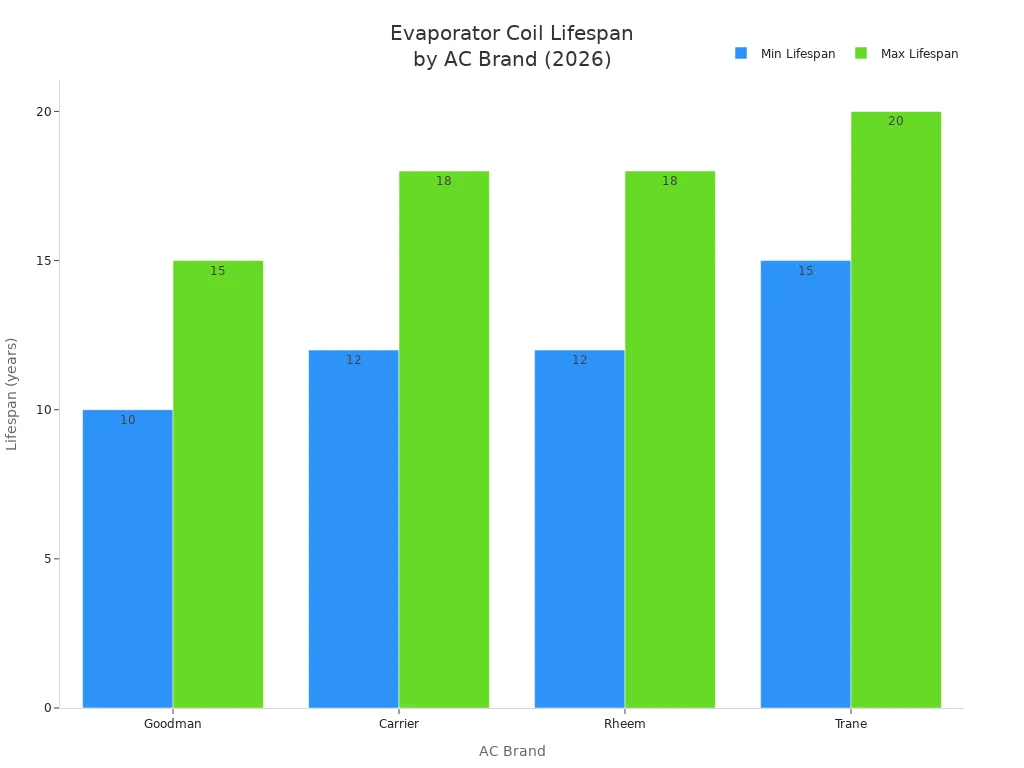
You can compare evaporator coil performance across brands in 2026. Manufacturers use advanced materials and offer strong warranties, which help you choose a reliable system.
Brand | Common Coil Material | Typical Lifespan (with maintenance) | Parts Warranty | Coil Warranty |
|---|---|---|---|---|
Goodman | All-aluminum | 10-15 years | 10 years | Lifetime limited |
Carrier | Aluminum (some legacy copper) | 12-18 years | 10 years | 10-20 years |
Rheem | All-aluminum | 12-18 years | 10 years | 10 years |
Trane | All-aluminum | 15-20+ years | 10-12 years | 10-20 years |
You experience greater comfort because the evaporator absorbs heat and lowers the indoor temperature. The coil uses refrigerant to remove thermal energy, which improves air quality and creates a pleasant environment. You rely on the evaporator to regulate humidity, preventing air that feels too dry or too humid.
The evaporator coil purges contaminants and controls moisture, which helps you maintain a healthy indoor climate. You notice fewer issues with allergies and respiratory discomfort. The coil’s performance ensures balanced humidity and consistent cooling, so you feel comfortable throughout your home.
Tip: You should schedule regular maintenance for your evaporator coil. Clean coils improve efficiency, extend system lifespan, and maximize comfort.
You notice that the evaporator plays a vital role in managing humidity inside your home. When warm air flows over the cold surface of the evaporator, moisture condenses into droplets. These droplets drain away, leaving the air drier and more comfortable. You experience a reduction in indoor humidity levels, which helps prevent that sticky feeling during hot weather.
The evaporator absorbs heat and removes humidity from the air, ensuring a cool and comfortable environment. In a heat pump system, the evaporator not only cools and dehumidifies the air during summer but also warms the air when temperatures drop. This dual function gives you year-round comfort.
Lower humidity levels make your living space feel fresher. You avoid problems like mold growth and dust mites, which thrive in damp conditions. The evaporator keeps humidity under control, so you enjoy a healthier home.
Note: You should check for signs of excess moisture around your air conditioning system. Proper drainage from the evaporator prevents water damage and keeps humidity levels balanced.
You benefit from improved air quality when the evaporator works efficiently. The air conditioning system circulates air through the evaporator, which condenses moisture and lowers humidity. This process helps prevent mold growth, as drier air makes it harder for mold and bacteria to thrive.
Managing indoor humidity levels directly impacts the presence of allergens and particulates. The evaporator condenses water vapor, reducing relative humidity and inhibiting microbial growth. You notice fewer bioaerosols and allergens in your home, which means you breathe cleaner air.
However, you must keep the evaporator clean. If you neglect maintenance, the coil can become a breeding ground for mold and bacteria. This buildup can negatively affect indoor air quality and cause health issues.
Cleaning the evaporator coil leads to improved indoor air quality. The maintenance process removes dirt, dust, and biological growth, making your air conditioning system more efficient and your living environment healthier.
Benefit | How the Evaporator Helps |
|---|---|
Humidity Control | Condenses moisture, lowers humidity |
Mold Prevention | Reduces dampness, inhibits growth |
Allergen Reduction | Limits bioaerosols and particulates |
Air Quality Improvement | Removes contaminants with cleaning |
Tip: You should schedule regular maintenance for your evaporator. Clean coils help your air conditioning system deliver fresher air and protect your health.
You may face several problems with your evaporator coil that affect cooling and air quality. Dirt and dust often build up on the coil, acting as insulation and blocking heat absorption. Excess condensation can lead to bacteria and mold growth, which impacts both air quality and heat transfer. Frozen coils are another frequent issue. Low refrigerant or poor airflow can cause the coil to freeze, stopping the cooling process and reducing efficiency.
Here is a table showing the most common issues:
Issue | Description |
|---|---|
Dirty coils | Dirt and dust act as insulation, hindering heat absorption. |
Condensation | Excess moisture can lead to bacteria and mold growth, affecting air quality and heat transfer. |
Frozen coils | Insufficient refrigerant or airflow can cause coils to freeze, disrupting the cooling process. |
You may also notice higher energy bills when the coil cannot transfer heat efficiently. Unusual smells often signal microbial buildup on the coil.
You should watch for several warning signs that indicate evaporator coil problems. Strange hissing or bubbling sounds may point to a refrigerant leak. High energy bills for no clear reason often mean the coil is not absorbing heat efficiently. Moldy odors or unusual smells suggest bacteria or mold growth on the coil. Ice buildup on the coil or refrigerant lines signals poor heat absorption. Weak or warm airflow from vents can mean the coil is blocked or dirty. Water leaks around the air handler may lead to mold and damage.
Strange hissing or bubbling sounds
High energy bills for no clear reason
Unusual smells or moldy odors
Ice buildup on the coil or refrigerant lines
Weak or warm airflow from vents
Water leaks around the air handler
Tip: You should check your system regularly for these signs. Early detection helps you maintain efficiency and avoid costly repairs.
You need professional help when you notice certain problems with your evaporator coil. Dirty coils, dirty air filters, frozen coils, or leaks on the coil require expert attention. Refrigerant leaks always need professional repair. Running your system with low refrigerant can cause compressor failure, which leads to expensive repairs.
If you see ice on the coil or refrigerant lines, or if you smell moldy odors, you should contact a technician. Water leaks around the air handler also need immediate attention. Coil replacement costs can vary. In 2026, the average cost is $1,350, but you may pay between $600 and $2,000. Some homeowners report a national average of $2,450, with typical costs ranging from $1,900 to $3,000.
Note: You should not try to fix refrigerant leaks or frozen coils yourself. Professional service ensures safe repairs and protects your system’s efficiency.
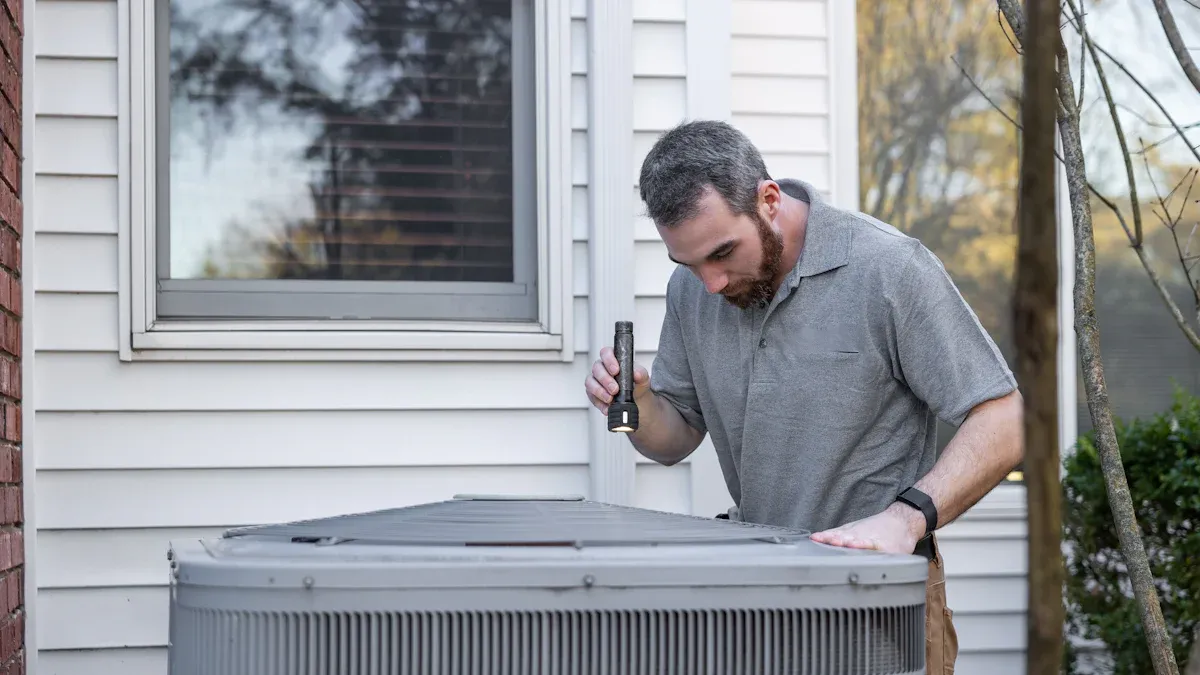
You can keep your air conditioning system running smoothly by cleaning the evaporator coil regularly. Dust and debris often collect on the coil, which blocks airflow and reduces cooling. You have several safe cleaning options:
Use compressed air to blow away loose dust. Always direct the air opposite to the normal airflow to avoid pushing dirt deeper into your home.
Mix a mild household detergent with water and spray it gently onto the coil. Rinse carefully to avoid damaging the delicate fins.
Apply a commercial foaming coil cleaner. Follow the manufacturer’s instructions and clear away any surface debris first.
Tip: Always turn off the power to your AC unit before cleaning. This step keeps you safe and protects the system.
You can extend the life of your evaporator and improve system efficiency with proper maintenance. Routine care helps you avoid costly repairs and keeps your home comfortable. Here are some preventive strategies you should follow:
Strategy | Benefit |
|---|---|
Regular Filter Replacements | Reduces stress on the system and improves air quality. |
Coil Cleaning | Restores heat exchange and prevents overheating. |
Duct Cleaning | Promotes efficient airflow and reduces strain on components. |
Thermostat Calibration | Ensures accurate temperature control and saves energy. |
Lubrication of Moving Components | Minimizes wear and supports smooth operation. |
Inspection of Electrical Connections | Prevents overheating and keeps the system reliable. |
Checking Refrigerant Levels | Prevents compressor strain and maintains performance. |
Drain Line Maintenance | Stops moisture problems and protects against corrosion. |
Sealing and Insulating Ducts | Reduces energy loss and improves airflow. |
Seasonal Maintenance | Prepares your system for peak performance. |
You should clean the evaporator coil at least once a year. If you have pets or live in a dusty area, consider cleaning every three to six months. Regular filter changes and duct cleaning also support proper maintenance.
You gain many benefits when you schedule professional service for your evaporator. Trained technicians perform a thorough cleaning and inspection, which helps prevent damage to your AC system. Professional maintenance improves cooling performance and extends the lifespan of your equipment. You also enjoy better indoor air quality and fewer breakdowns.
Professionals check refrigerant levels and electrical connections.
They clean and lubricate moving parts.
They spot early signs of wear and recommend timely repairs.
Note: While you can handle basic cleaning, professional service ensures proper maintenance and long-term reliability for your air conditioning system.
Regular care and attention to your evaporator keep your home cool and comfortable. You protect your investment and enjoy peace of mind with every season.
You rely on the ac evaporator to absorb heat from indoor air, which keeps your home cool and comfortable. This part of your air conditioning system is vital for efficient cooling and maintaining a pleasant environment. When you keep your evaporator clean and schedule regular maintenance, you avoid costly repairs and improve system performance.
Maintenance Aspect | Impact on Costs | Explanation |
|---|---|---|
Coil Cleaning | Reduces Costs | Prevents dirt buildup, improves efficiency, lowers strain |
Regular Maintenance | Avoids Repairs | Detects issues early, prevents expensive breakdowns |
Regular maintenance can prevent up to 95% of potential HVAC breakdowns, saving you money.
You protect your investment and enjoy reliable cooling when you pay attention to evaporator health. In modern air conditioning, the evaporator is the key to lasting comfort and efficiency.
You should clean your evaporator coil at least once a year. If you have pets or live in a dusty area, clean it every three to six months for best performance.
A dirty coil blocks airflow and reduces cooling. You may notice higher energy bills, weak airflow, or uneven temperatures. Cleaning the coil restores efficiency and comfort.
You can clean light dust using compressed air or a soft brush. For heavy buildup or mold, call a professional. Always turn off the power before cleaning.
You may see ice on the coil or refrigerant lines. You might feel warm air from the vents or notice water leaks near the air handler. These signs mean the coil is frozen.
Low refrigerant, poor airflow, or dirty filters often cause freezing. Blocked vents or a malfunctioning blower can also lead to ice buildup on the coil.
Most evaporator coils last 10 to 20 years with regular maintenance. Lifespan depends on usage, environment, and care.
No, running your AC with a frozen coil can damage the compressor. Turn off the system and call a technician to fix the problem.
Yes, the coil removes moisture and helps control humidity. A clean coil also prevents mold and bacteria, improving the air you breathe.