Views: 0 Author: Site Editor Publish Time: 2026-04-20 Origin: Site


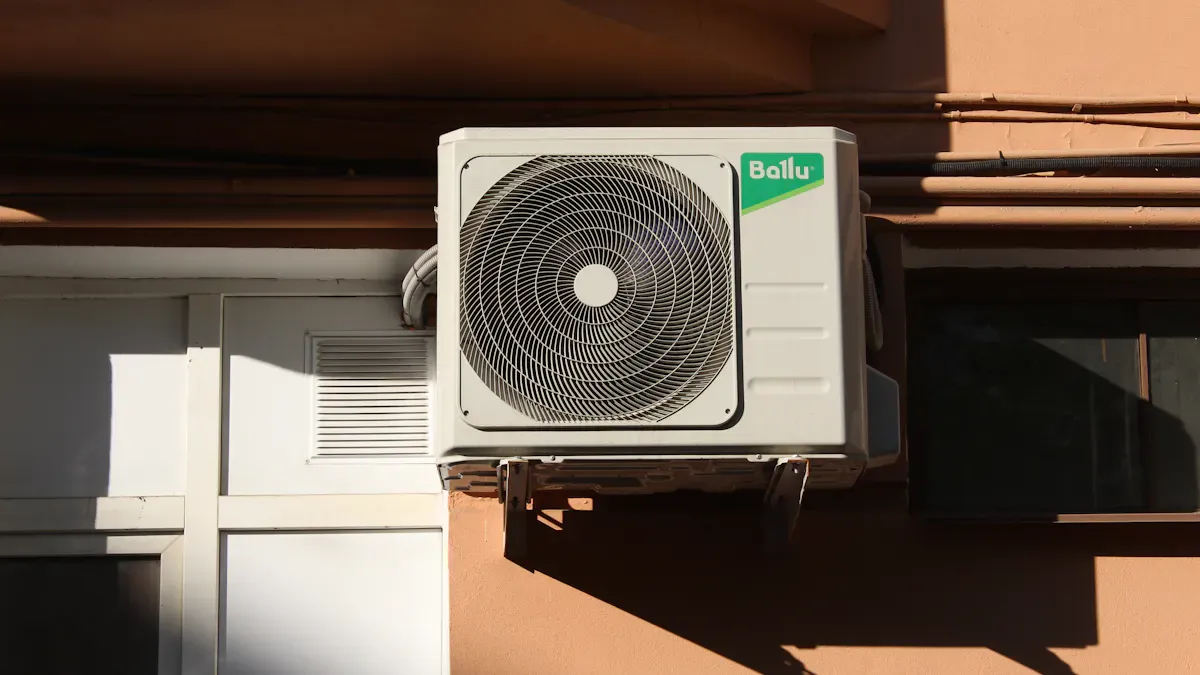
A refrigeration condenser helps you remove heat from the refrigerant in your cooling system. This process keeps your system working properly. If you want to keep your refrigerator or air conditioner efficient, you need to understand the condenser and how it affects performance.
When the condenser works efficiently, you get better refrigerating capacity and lower energy use.
If the condensing temperature rises, your system loses cooling power. For example, a jump from 100°F to 120°F can reduce cooling effect by about 10%.
A refrigeration condenser removes heat from refrigerant, keeping your cooling system efficient.
Efficient condensers improve cooling capacity and lower energy use, saving you money.
The condenser has three main jobs: cooling vapor, turning it into liquid, and further cooling the liquid.
Regular maintenance, like cleaning coils, helps your condenser work better and last longer.
Different types of condensers exist, including air-cooled, water-cooled, and evaporative, each suited for specific needs.
Understanding how the condenser works helps you troubleshoot issues and maintain your cooling system.
Signs of condenser problems include reduced cooling, unusual noises, and increased energy bills.
Investing in modern, energy-efficient condensers can lead to better performance and lower utility costs.
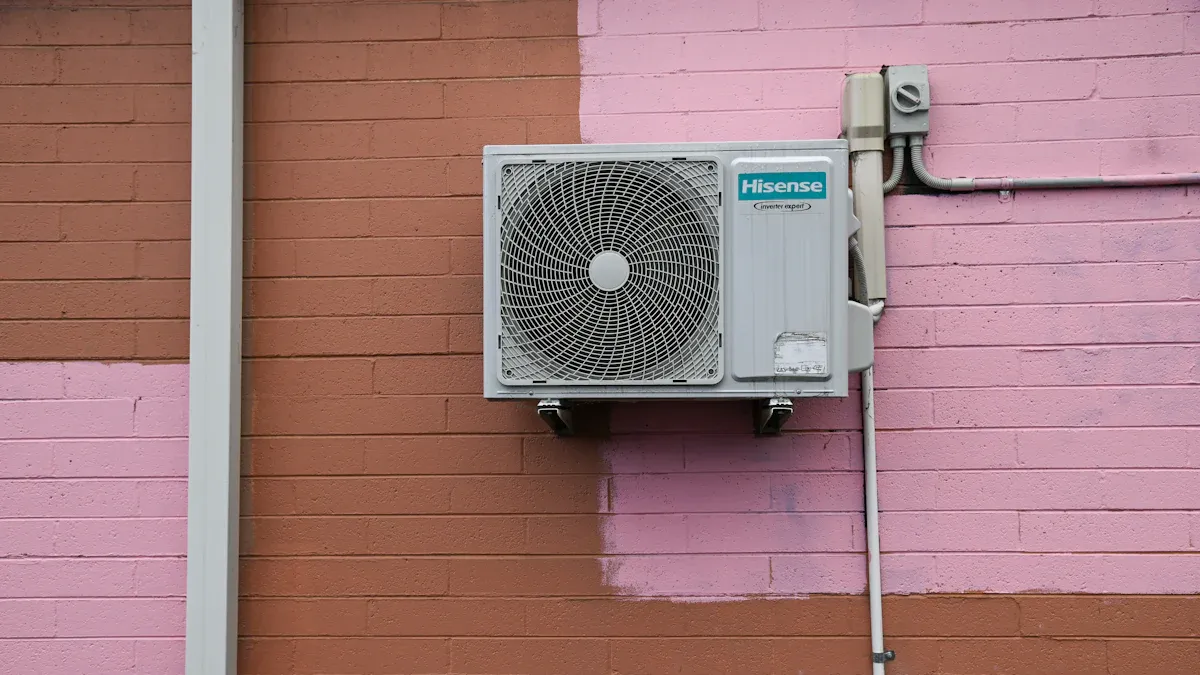
You can think of a refrigeration condenser as the part of your cooling system that gets rid of unwanted heat. When your refrigerator or air conditioner runs, it moves heat from inside the space to the outside. The condenser is where this heat leaves the system. It works by taking in hot, high-pressure vapor from the compressor and releasing that heat to the air or water around it. As the heat leaves, the refrigerant inside the condenser cools down and changes from a gas to a liquid.
Tip: The condenser does three main jobs: it cools down the superheated vapor, turns the vapor into a liquid, and then cools the liquid even more. These steps are called de-superheating, condensation, and subcooling.
Here are the key things that define a modern refrigeration condenser:
It removes heat absorbed in the evaporator and heat gained in the compressor.
It handles three main stages: de-superheating, condensation, and subcooling.
It prepares the refrigerant for the next part of the cooling cycle.
The main function of the condenser is to release heat from the refrigerant vapor and turn it into a liquid. This process is different from what happens in other parts of the cooling system. The evaporator absorbs heat, but the condenser gets rid of it. You can see the main steps in the table below:
Phase | Description |
|---|---|
Desuperheating | Ejects heat from superheated vapor to start cooling it into a liquid state. |
Condensation | Changes the refrigerant from a gas to a liquid after all superheat has been removed. |
Sub-cooling | Cools the liquid refrigerant even more so it stays liquid, even if temperatures rise later. |
The condenser acts as a heat exchanger. It uses coils, often with fins, to help move heat from the refrigerant to the outside air or water. Fans or water flow keep the temperature difference strong, so heat keeps moving out of the system.
You need to understand the science behind the refrigeration cycle to see why the condenser matters. When a liquid turns into a gas, it absorbs heat from its surroundings. This is how the evaporator cools things down. The condenser does the opposite. It takes the hot, high-pressure refrigerant vapor and cools it until it becomes a liquid again. This process releases heat to the outside.
The condenser works at a pressure where the refrigerant is hotter than the outside air or water.
Heat flows from the refrigerant to the environment, making the refrigerant lose energy.
The coils and fins in the condenser help move heat quickly and efficiently.
Fans or water keep the condenser cool, so the refrigerant can keep losing heat.
The refrigeration condenser is a key part of the cycle. It makes sure the refrigerant is ready to go back to the evaporator and start cooling again. Without a working condenser, your cooling system cannot remove heat or keep things cold.
Understanding how a condenser works helps you see why it is so important in any cooling system. The condenser takes in hot, high-pressure refrigerant gas from the compressor. It then removes heat from the gas, causing it to change into a liquid. This process prepares the refrigerant for the next stage in the refrigeration cycle.
The heat exchange process inside a refrigeration condenser happens in three main stages. Each stage plays a key role in cooling the refrigerant and making sure your system runs smoothly.
When the refrigerant enters the condenser, it arrives as a superheated vapor. This means the gas is hotter than its normal condensation temperature. In the desuperheating stage, the condenser starts to remove the extra heat from the refrigerant. The temperature of the refrigerant drops, but it remains a vapor. This step gets the refrigerant ready for the next phase, where it will start to condense.
The refrigerant enters as a high-pressure, high-temperature vapor.
The condenser cools the vapor by releasing heat to the outside air or water.
The temperature drops until it reaches the condensation point.
Once the refrigerant reaches its condensation temperature, the next stage begins. Here, the refrigerant changes from a vapor to a liquid. This phase change happens at a constant temperature, even though the refrigerant keeps losing heat. The condenser continues to remove heat, but now the energy goes into turning the vapor into a liquid.
The refrigerant stays at the same temperature during condensation.
The pressure inside the condenser remains high.
The refrigerant changes state from vapor to liquid.
After the refrigerant has fully condensed into a liquid, the condenser cools it even further. This is called the sub-cooling stage. The temperature of the liquid refrigerant drops below its condensation point. Sub-cooling makes sure the refrigerant stays liquid as it moves to the next part of the system, even if the temperature rises slightly later on.
The liquid refrigerant cools below its condensation temperature.
Sub-cooling prevents the refrigerant from turning back into a vapor too soon.
This step improves the efficiency and reliability of the cooling system.
Note: During the heat exchange process, the refrigerant transitions from a high-pressure vapor to a high-pressure liquid as it releases heat. The pressure at which the refrigerant vapor is discharged depends on the temperature of the liquid in the condenser. When the refrigerant condenses, it does so without a change in temperature, showing a true phase change. The condensing temperature is usually higher than the temperature of the cooling air or water.
Air flow plays a major role in how well a condenser removes heat from the refrigerant. The design of the condenser uses fans and coils to make this process as efficient as possible.
The compressor sends high-pressure refrigerant gas to the condenser.
The fan blows air over the condenser coils, helping the refrigerant lose heat.
As the refrigerant releases heat, it cools and changes from a gas to a liquid.
The cooled liquid refrigerant moves on to the next stage, ready to absorb more heat.
The condenser operates at a pressure where the refrigerant's temperature is higher than the outside environment. Heat flows from the refrigerant to the air or water outside, causing the refrigerant to lose energy. Coils with fins increase the surface area, which helps the condenser release heat more quickly.
You can better understand the condenser by comparing it to the evaporator. Both parts handle heat transfer, but they do opposite jobs in the refrigeration cycle.
Parameter | Evaporator | Condenser |
|---|---|---|
Pressure | Low pressure | High pressure |
Temperature | Lowest in system | Highest in system |
Refrigerant State | Liquid to vapor | Vapor to liquid |
Heat Transfer | Absorbs heat | Rejects heat |
The evaporator absorbs heat from the space you want to cool. The condenser rejects heat to the outside. While the evaporator works at low pressure and low temperature, the condenser operates at high pressure and high temperature. The refrigerant changes from a liquid to a vapor in the evaporator, but it changes from a vapor to a liquid in the condenser.
By understanding these differences, you can see how the condenser completes the heat exchange process and keeps your refrigeration system running efficiently.
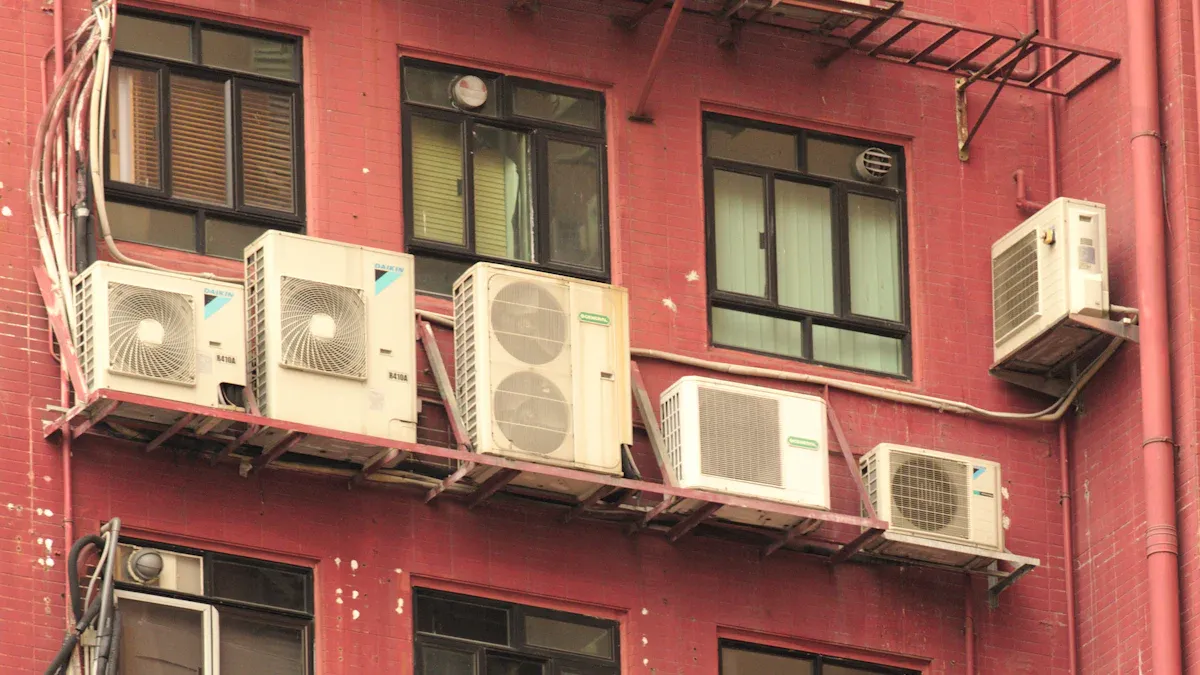
You can find several types of condensers in refrigeration systems. Each type works differently and suits specific needs. Understanding these options helps you choose the best condenser for your cooling system.
Type of Condenser | Description |
|---|---|
Use standard airflow for cooling; found in small units like refrigerators and air-conditioners. | |
Use water to remove heat; suitable for high cooling loads in larger systems. | |
Air-Water (Evaporative) Condensers | Combine air and water for cooling; ideal for commercial HVAC systems and eco-friendly. |
Air-cooled condensers use fans to move air across coils. The air absorbs heat from the refrigerant and carries it away. You often see this type in home refrigerators and air conditioners. These units fit well in places with limited space, such as rooftops or small rooms.
You operate an air-cooled condenser without needing a water supply. The fan blows air over the coils, cooling the refrigerant inside. This method works best for small systems and areas where water is scarce. You can install these condensers easily and maintain them with fewer steps.
Air-cooled condensers usually have heat exchange efficiency between 50% and 70%.
Efficiency drops in hot environments, so larger coils or more surface area may be needed.
Common applications include residential refrigerators, window air conditioners, and small commercial units.
Tip: If you want simple maintenance and flexible installation, air-cooled condensers offer a practical solution.
Water-cooled condensers use water to remove heat from the refrigerant. You see these in larger systems where cooling demand is high. Water flows through tubes or plates, absorbing heat and carrying it away.
You get higher efficiency with water-cooled condensers because water transfers heat better than air. These units need a steady water supply and more complex installation. Maintenance involves checking pumps, pipes, and water quality.
Feature | Air-Cooled Condenser | Water-Cooled Condenser |
|---|---|---|
Water Dependency | Does not require a water source | Requires a constant water supply |
Installation Flexibility | Can be installed in limited spaces, including rooftops | Installation may be restricted by water availability |
Heat Exchange Efficiency | Lower efficiency (50% to 70%) | Higher efficiency |
Initial Investment | Generally lower initial costs | Typically higher initial costs |
Maintenance | Simpler maintenance | More complex maintenance |
Water-cooled condensers suit large commercial buildings, supermarkets, and industrial plants.
You benefit from better cooling performance and stable operation in high-temperature settings.
Evaporative condensers combine air and water to cool the refrigerant. You see these in big refrigeration systems and commercial HVAC units. This design uses both airflow and water spray to boost heat transfer.
You achieve higher cooling efficiency with evaporative condensers. The dual method works well in hot climates and large systems. Air and water together remove heat faster than either alone.
Evaporative condensers perform well even when outside temperatures rise.
You save energy and reduce water use compared to traditional water-cooled designs.
These units fit eco-friendly projects and commercial refrigeration needs.
Note: If you need reliable cooling in tough conditions, evaporative condensers offer strong performance and energy savings.
You can choose from several types of condensers, such as traditional copper coil with aluminum fins, micro channel condenser, condenser bundle, coaxial coil, and brazed plate heat exchanger. Each option fits different system sizes and cooling demands.
You rely on the ac condenser to keep your home cool and comfortable. This part sits outside your house and works with the rest of your air conditioning system. When the compressor sends hot, high-pressure refrigerant gas to the ac condenser, the unit starts its main job—removing heat from the refrigerant. The fan inside the ac condenser blows outdoor air over the coils, which helps the refrigerant release heat and turn back into a liquid.
The ac condenser does more than just cool the refrigerant. It also helps remove extra moisture from the air, making your home less humid. As warm air passes over the coils, moisture condenses and drains away. The ac condenser even helps filter out dust and small particles, so the air inside your home stays cleaner.
You can see the main functions of the ac condenser in the table below:
Function | Description |
|---|---|
Cooling | Cools the refrigerant gas from the compressor, releasing heat into the outdoor air. |
Dehumidification | Helps remove excess humidity by condensing moisture from warm air passing over the coils. |
Filtration | Traps dust and airborne particles, preventing them from circulating back into the indoor air. |
Energy Efficiency | Reduces workload on the compressor, leading to lower energy consumption and utility bills. |
Fan Function | Enhances heat dissipation and maintains airflow to prevent overheating of the condenser. |
The condenser’s main function is to transfer the heat absorbed from the indoor air to the outside environment. This heat transfer process is how an air conditioner is able to lower your home’s temperature.
You depend on the ac condenser to keep your system running efficiently. Without it, the refrigerant would stay hot, and your air conditioner would not cool your home.
You might wonder how an ac condenser compares to a refrigeration condenser. Both types use similar principles, but they serve different purposes. The ac condenser focuses on making your indoor space comfortable. It controls both temperature and humidity. You use an ac condenser to cool rooms to a comfortable level, not to freeze items.
A refrigeration condenser, on the other hand, works to keep food or goods at much lower temperatures. It does not control humidity in the same way. The main goal is to keep things cold, often below the temperature of the surrounding air.
Here are some key differences:
AC systems aim for comfort by controlling temperature and humidity.
Refrigeration systems focus on keeping goods cold, often below room temperature.
The ac condenser does not always cool below the outside temperature, but a refrigeration condenser usually does.
You can also see the differences in design and use:
Type of Condenser | Design Features | Applications |
|---|---|---|
Air-Cooled Condensers | Simple design using standard airflow; available in forced and natural convection types. | Small units like water coolers and household refrigerators. |
Water-Cooled Condensers | Uses water to remove heat; suitable for high cooling loads. | Central air-conditioning and large refrigerating plants. |
Air-Water (Evaporative) | Combines air and water cooling methods; eco-friendly and cost-effective. | Commercial HVAC systems. |
You can see that the ac condenser plays a special role in your air conditioning system. It keeps your home comfortable, manages humidity, and helps save energy. The refrigeration condenser, in contrast, is built for storage and preservation, not comfort.
You depend on the condenser to keep your cooling system running efficiently. When the condenser works well, your system removes heat quickly and keeps the refrigerant at the right temperature. This efficiency means your refrigerator or air conditioner uses less energy and stays reliable.
A high-performance condenser improves heat transfer and lowers the workload on the compressor. You get faster cooling and more stable operation.
Modern designs, such as microchannel condensers, boost heat transfer by 20-30% compared to older models. You benefit from better cooling and lower energy bills. Variable-speed fans adjust airflow based on conditions, saving an extra 15-25% in energy. These upgrades help your system stay efficient, even when temperatures rise.
You want your cooling system to use less energy and cost less to run. The condenser plays a big role in this goal. When the condenser removes heat quickly, the compressor does not need to work as hard. This reduces energy use and keeps your utility bills low.
Enhanced condenser designs improve system efficiency and cut operational costs.
Microchannel condensers offer better heat transfer, leading to reduced energy consumption.
Variable-speed fans save energy by adjusting airflow to match cooling needs.
If you keep the condenser clean and well-maintained, you can reduce energy consumption by up to 30%. This practice also helps your system run smoothly and prevents overheating.
You want your cooling system to last as long as possible. Regular maintenance of the condenser, such as coil cleaning and checking the refrigerant charge, is essential. These steps help the condenser reject heat efficiently and keep the compressor from overworking.
Cleaning condenser and evaporator coils lowers operating temperatures and run times.
This maintenance extends the compressor's life and keeps your system reliable.
When you take care of the condenser, you protect your investment and avoid costly repairs. You also keep your cooling system running at peak performance for years.
Tip: Choose a trusted brand like TOPCHILL AIR COOLER for expert advice and quality products. Visit TOPCHILL AIR COOLER to find efficient condensers and cooling solutions that help your system last longer and use less energy.
You can spot condenser problems early if you know what to look for. When your cooling system does not work as well as before, you may notice some warning signs. Watch for these common issues:
Reduced cooling efficiency in your refrigerator or air conditioner
Unusual noises, such as buzzing, hissing, or clanking
The system turns on and off more often than usual (frequent cycling)
Warm air comes from the vents instead of cool air
You see visible damage or dirt on the condenser coils
Puddles or signs of refrigerant leaks near the unit
Your energy bills go up even though you use the system the same way
If you notice any of these signs, your condenser may need attention. Early action helps prevent bigger problems and keeps your system running smoothly.
You can keep your condenser in good shape with regular maintenance. Simple steps help prevent overheating and costly repairs. Here are some tips you can follow:
Clean the condenser coils and front grills often to remove dust and debris.
Use a vacuum cleaner with a brush attachment or a coil brush for best results.
Degrease coils if your unit is near cooking equipment to stop grease buildup.
Check for bent fins or signs of corrosion during routine inspections.
Make sure door seals and gaskets are tight to keep the system efficient.
Try this easy cleaning routine:
Unplug your unit and find the condenser coils.
Use a coil brush or vacuum to remove dirt and dust.
Repeat this process regularly to improve cooling and lower the risk of overheating.
Regular maintenance helps your condenser last longer and saves energy. If you want expert advice or need quality parts, you can trust TOPCHILL AIR COOLER for reliable solutions.
Sometimes, you need a trained technician to fix condenser problems. You should call for help if you notice:
Cooling efficiency drops, and your system runs longer than normal
Strange noises, like hissing or clanking, come from the unit
The system cycles on and off too often
Warm air blows from the vents, even when set to cool
You see visible damage or heavy dirt on the coils
There are signs of refrigerant leaks
Your energy bills rise without a clear reason
A professional can find and fix the problem safely. Quick action protects your system and helps you avoid expensive repairs.
You can see many new designs that make cooling systems more energy efficient. These advancements help you save power and lower your bills. The table below shows some of the latest improvements in condenser technology:
Advancement Type | Description |
|---|---|
Microchannel Technology | Uses advanced channels to increase heat transfer, which boosts overall efficiency. |
Variable-Speed Compressor | Changes speed based on how much cooling you need, so it uses less energy during light loads. |
Optimized Fin Geometries | Improves how heat moves out of the system, allowing for lower pressures and temperatures. |
Economizer Circuits | Lowers the energy needed by the compressor, making the whole system more efficient. |
Smart Monitoring Systems | Tracks how the system works in real time to stop energy waste and keep things running smoothly. |
You benefit from these designs because they help your system cool faster and use less electricity. Many modern units, like those from TOPCHILL AIR COOLER, use these features to give you reliable and efficient cooling.
You play a part in protecting the environment when you choose systems with eco-friendly refrigerants. These new refrigerants work well with advanced condensers and help reduce pollution. The table below explains how these changes make a difference:
Aspect | Description |
|---|---|
Regulatory Impact | New rules push companies to design systems that are safer for the environment. |
Lifecycle Assessment | Experts check how much impact a system has on the planet from start to finish. |
Efficiency Improvements | Smart controls and better designs can make systems 20-30% more efficient than older models. |
You help the planet by using systems that meet these standards. You also get better performance and lower energy use.
You can now use smart controls to make your cooling system even better. These controls use sensors and advanced software to watch how your condenser works. They can spot problems before they get big and adjust settings to save energy. For example, IoT-enabled sensors and predictive analytics let you track performance in real time. Artificial intelligence can even schedule maintenance and change how the system runs based on data.
You get a system that runs smoothly, uses less power, and needs fewer repairs. Smart controls also help you avoid breakdowns and keep your space comfortable. When you choose a system with these features, like those from TOPCHILL AIR COOLER, you invest in the future of cooling technology.
You now understand how a refrigeration condenser removes heat and keeps your cooling system efficient. Knowing the types and performance ratings helps you make smart choices. Check the table below to see why energy efficiency ratings matter:
Aspect | Description |
|---|---|
Energy Efficiency Rating | Determined based on U.S. Government standard tests for condenser-evaporator coil combinations. |
Variability | Ratings may vary slightly with different coils and geographic regions. |
Importance | Understanding these ratings is crucial for making informed purchasing decisions. |
Reliability affects cooling speed and system performance. See the table:
Aspect | Impact on Cooling Systems |
|---|---|
Heat Dissipation | Directly relates to the cooling speed of high-pressure gas, influencing overall performance. |
Efficacy of Condenser | Directly influences overall performance and efficiency of chiller systems, essential for industrial cooling. |
When you want expert advice and quality products, TOPCHILL AIR COOLER stands out.
Award: Green Innovation Pioneer
Visit TOPCHILL AIR COOLER for trusted solutions.
You use a refrigeration condenser to remove heat from the refrigerant. This process lets your cooling system keep things cold. The condenser changes the refrigerant from a hot vapor to a cool liquid.
You should clean condenser coils at least twice a year. If you have pets or live in a dusty area, check and clean them more often. Clean coils help your system run efficiently.
If your condenser fails, your cooling system cannot remove heat. You may notice warm air, higher energy bills, or the system shutting down. Call a professional for repairs right away.
You can improve efficiency by keeping coils clean, checking for bent fins, and making sure nothing blocks airflow. Regular maintenance helps your condenser work better and last longer.
Air-Cooled Condenser | Water-Cooled Condenser |
|---|---|
Uses air to cool | Uses water to cool |
Easier to install | Needs water supply |
Less efficient in hot weather | More efficient for large systems |
You should not replace a condenser yourself. This job needs special tools and skills. Always call a certified technician for safe and proper installation.
You can find reliable condensers at TOPCHILL AIR COOLER. The brand offers expert advice and high-quality products for your cooling needs.
Your condenser may make noise because of loose parts, debris, or a failing fan motor. You should turn off the system and call a technician to check for problems.