Views: 0 Author: Site Editor Publish Time: 2026-05-31 Origin: Site


Many people know that an air conditioner produces cool air, but fewer people understand which part actually removes heat from the indoor air. The AC Evaporator is the key component that makes this cooling process possible. If the Evaporator does not work properly, the air conditioner may keep running but fail to deliver comfortable cooling.
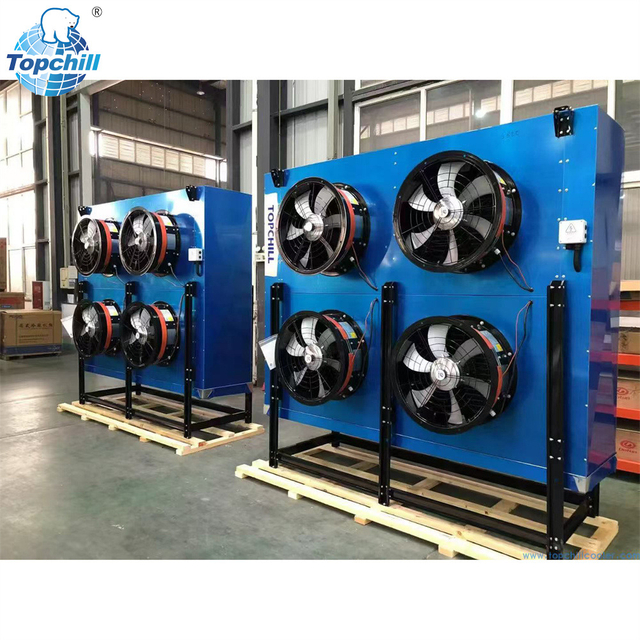
The main function of the AC Evaporator is to absorb heat from the air passing through the indoor unit. At the same time, it can also help remove moisture from the air, making the room feel cooler and drier. In this article, we will explain what an AC Evaporator does, how it works, why it affects cooling performance, and what problems may appear when the Evaporator is not operating correctly.
An AC Evaporator is a heat exchanger located inside the indoor part of an air conditioning system. It usually consists of refrigerant tubes and metal fins. Refrigerant flows inside the Evaporator, while warm indoor air passes across the outside surface of the coil.
The Evaporator is called an “Evaporator” because the refrigerant inside it absorbs heat and changes from a low-pressure liquid-vapor mixture into vapor. This evaporation process allows the refrigerant to carry heat away from the indoor air.
In simple terms, the AC Evaporator is the part of the air conditioner where indoor heat is collected. Without the Evaporator, the system cannot cool the air before sending it back into the room.
The AC Evaporator mainly does three things: it absorbs heat from indoor air, cools the passing air, and helps remove humidity. These functions happen at the same time when the air conditioner is operating.
When warm indoor air is pulled into the system, it passes over the cold Evaporator coil. Heat moves from the warm air into the refrigerant inside the coil. After losing heat, the air temperature drops. The cooled air is then supplied back into the indoor space.
The Evaporator also helps reduce humidity. When humid air passes across the cold coil surface, water vapor in the air may condense into liquid water. This water collects on the coil, flows into the drain pan, and leaves through the condensate drain. This is why air from an air conditioner often feels not only cooler but also drier.
The AC Evaporator works as part of the refrigeration cycle. Before refrigerant enters the Evaporator, it passes through an expansion device, such as an expansion valve or capillary tube. This lowers the refrigerant pressure and temperature, making it cold enough to absorb heat from the indoor air.
As warm air moves across the Evaporator coil, the refrigerant inside the coil absorbs heat. During this process, the refrigerant evaporates and becomes vapor. The refrigerant then leaves the Evaporator and moves toward the compressor, carrying the absorbed indoor heat with it.
The basic working process can be summarized as follows:
Step | What Happens | Result |
1 | Cold refrigerant enters the Evaporator | The coil becomes cold enough to absorb heat |
2 | Warm indoor air passes across the coil | Heat transfers from air to refrigerant |
3 | Refrigerant evaporates inside the coil | Indoor heat is carried away |
4 | Cooled air returns to the room | The indoor space becomes cooler |
5 | Moisture may condense on the coil | The air becomes drier |
The AC Evaporator is important because it directly controls how much heat can be removed from the indoor air. If the Evaporator has good heat exchange performance, the air conditioner can cool the room more efficiently. If the Evaporator is dirty, blocked, damaged, or poorly matched with the system, cooling performance will drop.
The design of the Evaporator affects its performance. Tube layout, fin spacing, coil surface area, refrigerant distribution, and material quality all influence how efficiently heat moves from the air into the refrigerant. A well-designed Evaporator allows air and refrigerant to exchange heat smoothly, which helps the system produce stable cool air.
The Evaporator must also match the air conditioner’s cooling capacity and airflow. If the coil is too small, it may not absorb enough heat. If the airflow is poor, the Evaporator may freeze or cool unevenly. Proper matching is important for stable operation.
The AC Evaporator helps remove humidity because its surface is cold. When warm humid air contacts the cold Evaporator surface, the air temperature drops. If the air cools below its dew point, water vapor changes into liquid water and forms droplets on the coil.
This process is similar to water droplets forming on the outside of a cold glass. The water is not created by the glass; it comes from moisture in the surrounding air. In the same way, the Evaporator causes moisture in the passing air to condense.
The condensed water should flow into the drain pan and leave through the drain line. When this process works normally, the air conditioner can deliver air that feels cooler and more comfortable. If drainage is blocked, water may leak from the indoor unit.
When the AC Evaporator is not working properly, the air conditioner may show several clear signs. One common sign is weak cooling. If the Evaporator cannot absorb enough heat, the air coming from the vents may not feel cold enough.
Another sign is ice or frost on the Evaporator coil. This may happen because of poor airflow, dirty filters, blocked coil surfaces, low refrigerant charge, or incorrect system operation. Once ice forms, airflow becomes weaker and heat transfer becomes worse.
Water leakage can also be related to the Evaporator. During normal cooling, condensed water should drain away smoothly. If the drain pan or drain line is blocked, water may overflow and leak from the indoor unit.
A musty smell may also appear when moisture, dust, and dirt stay on the Evaporator surface for a long time. This can affect comfort and indoor air quality.
Common Evaporator problem signs include:
● Weak cooling performance
● Air feels cool but still humid
● Ice or frost on the coil
● Water leakage near the indoor unit
● Musty odor from the air outlet
● Reduced airflow
● Uneven room temperature
● Higher energy consumption
Several factors affect how well the AC Evaporator works. The first is coil cleanliness. Dust and dirt on the coil surface reduce heat transfer, making it harder for the Evaporator to absorb heat from the air.
The second factor is airflow. If airflow is too low, the Evaporator may become too cold and freeze. If airflow is too high, the air may pass across the coil too quickly, reducing cooling and humidity removal efficiency.
The third factor is refrigerant condition. The Evaporator needs the correct amount of refrigerant to work properly. Too little refrigerant may cause poor cooling and coil freezing. Too much refrigerant or unstable refrigerant flow may also reduce performance.
The fourth factor is drainage. Since the Evaporator removes moisture from the air, condensed water must drain away smoothly. Poor drainage can cause leakage, odor, corrosion, and unstable operation.
To keep the AC Evaporator working properly, the air filter should be cleaned or replaced regularly. A dirty filter blocks airflow and may cause the Evaporator to freeze.
The coil surface should also be kept clean. If dust builds up on the Evaporator, heat transfer becomes weaker, and the air conditioner may need to run longer to cool the room.
The condensate drain should be checked to make sure water can leave the system. If the drain line is blocked, water may collect inside the unit and cause leakage.
If the air conditioner has weak cooling, ice formation, or abnormal noise, a professional technician should check the refrigerant charge and system condition. These problems are often connected with Evaporator performance.
The AC Evaporator absorbs heat from indoor air, cools the passing air, and helps remove humidity. It is the part of the air conditioning system where indoor heat is transferred into the refrigerant.
When the Evaporator works properly, the air conditioner can deliver air that is cooler, drier, and more comfortable. When the Evaporator is dirty, frozen, poorly matched, or not maintained well, cooling performance will decrease.
For stable air conditioning performance, the Evaporator must have good heat exchange design, clean coil surfaces, proper airflow, correct refrigerant flow, and reliable drainage. A high-quality AC Evaporator is essential for efficient cooling and long-term system operation.
The main job of an AC Evaporator is to absorb heat from indoor air. This allows the air conditioner to send cooler air back into the room.
Yes. When humid air passes across the cold Evaporator coil, moisture can condense into liquid water and drain away, making the air drier.
An AC Evaporator may freeze because of poor airflow, dirty filters, blocked coils, low refrigerant charge, or incorrect system operation.
A dirty Evaporator reduces heat transfer, weakens cooling performance, may reduce humidity removal, and can increase energy consumption.
Common signs include weak cooling, ice on the coil, water leakage, musty odor, reduced airflow, high humidity, and uneven indoor temperature.