Views: 0 Author: Site Editor Publish Time: 2026-03-03 Origin: Site


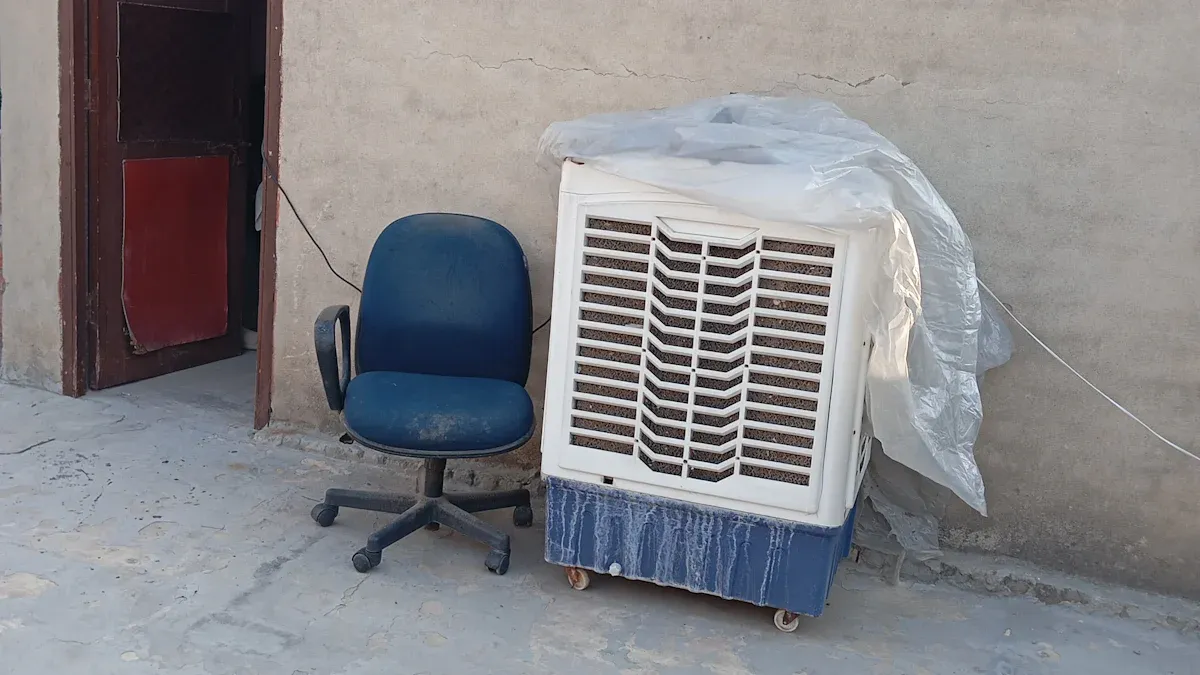
You probably want to know if an evaporator cooler is a smart choice for your space. These coolers save you money upfront and help you cut down on electricity bills. Many people pick them because they use up to 75% less energy than regular air conditioners, especially in hot, dry places. You also get a cooling option that skips harmful chemicals and supports a greener lifestyle. Before you decide, think about your climate, how much maintenance you want to handle, and what matters most for comfort and cost.
Evaporative coolers can save you money on energy bills, using up to 75% less electricity than traditional air conditioners.
These coolers work best in hot, dry climates, adding moisture to the air and improving comfort.
Installation is simple and often DIY-friendly, making evaporative coolers a cost-effective choice for homeowners.
Regular maintenance is essential; clean the water tank and replace pads frequently to ensure optimal performance.
Evaporative coolers provide fresh air, reducing stuffiness and improving indoor air quality compared to recycled air systems.
Consider your local climate before purchasing; humid areas may not benefit as much from evaporative cooling.
These coolers are eco-friendly, using water and air instead of harmful chemicals, which helps lower your carbon footprint.
Evaluate your water supply needs, as evaporative coolers require a steady water source to function effectively.
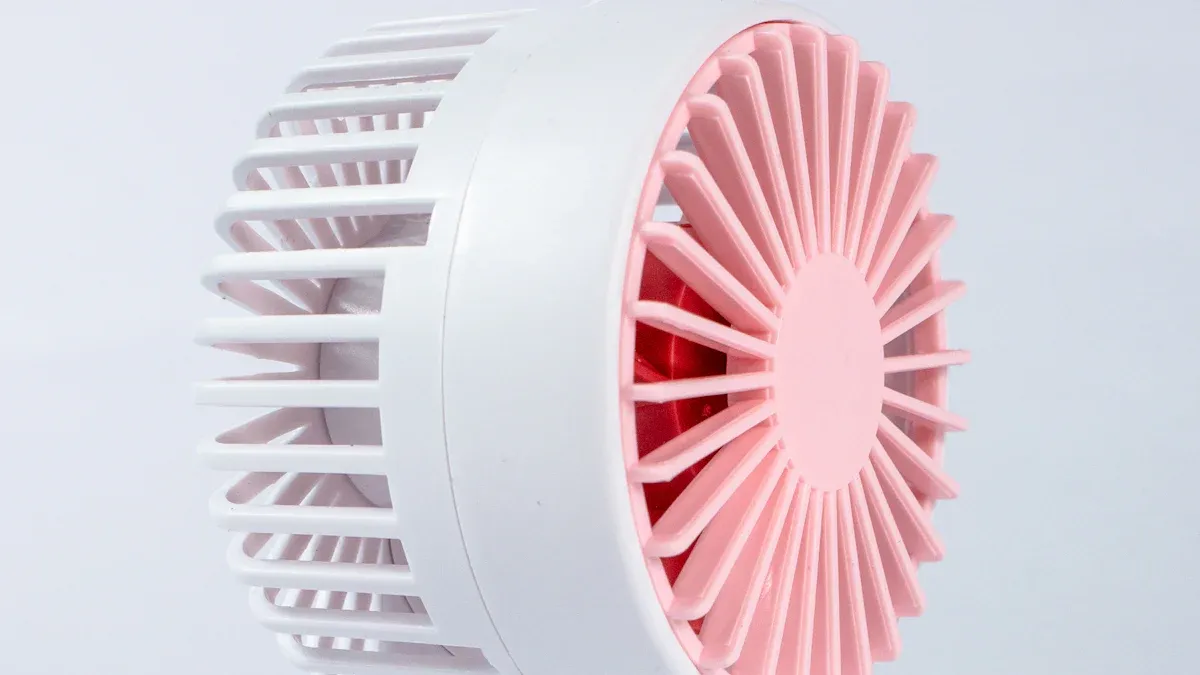
When you look inside an evaporative cooler, you find a few simple parts. You see a water tank, a pump, cooling pads, and a fan. The water tank holds the water. The pump moves water from the tank to the cooling pads. These pads soak up the water and stay wet. The fan pulls warm air from outside and pushes it through the wet pads. As the air passes through, it cools down before it enters your room.
You might wonder how this process actually cools your space. The secret is in the science of evaporation. When hot, dry air moves through the wet pads, the water turns into vapor. This change from liquid to gas takes heat away from the air. The fan then blows this cooler, moister air into your home. You get a fresh breeze that feels like a cool wind after a summer rain.
Tip: You need to keep a window or door open when you use an evaporative cooler. This lets old air escape and brings in more fresh air.
You may ask how evaporative cooling stacks up against traditional air conditioning. The main difference is the way each system cools your home. Take a look at this table to see how they compare:
Feature | Evaporative Cooling | Traditional Air Conditioning |
|---|---|---|
Cooling Mechanism | Water evaporation, natural process | Refrigerant/compressor-based |
Typical Energy Use | 25%–35% of AC consumption | High power (compressors, fans) |
Indoor Air Quality | Constant, filtered fresh air | Recirculated indoor air |
With an evaporative cooler, you use much less electricity. You also get a steady flow of fresh air, not just recycled air. This can make your home feel less stuffy. On the other hand, refrigerated air conditioners use more energy and rely on chemicals to cool the air.
Here’s another quick comparison:
Feature | Evaporative Coolers | Refrigerated Air Conditioners |
|---|---|---|
Cooling Method | Adds moisture to the air | Removes humidity, providing cool, dry air |
Energy Consumption | Generally uses less electricity | Typically consumes more electricity |
Installation & Maintenance | Simpler design, easier to install and maintain | More complex, requires professional installation and regular maintenance |
You can see that an evaporative cooler works best in dry climates. It adds moisture to the air, which helps you feel comfortable. If you live in a humid area, though, you might not get the same results. Refrigerated systems work better in those places, but they cost more to run.
New technology keeps making evaporative cooling better. Some coolers now use smart sensors and advanced water management. These upgrades help save even more energy and water. You get a greener way to stay cool, and you might even lower your bills.
When you look at evaporative coolers, you see a mix of advantages and drawbacks. You want to know if this cooling solution fits your needs. Let’s break down the pros and cons so you can make a smart choice.
You save a lot of energy with an evaporative cooler. This cooling system uses a natural process—direct evaporative cooling or indirect evaporative cooling—to drop the temperature. You don’t need a compressor or chemical refrigerants like traditional air conditioning. That means you use much less electricity. Many people call evaporative coolers energy-efficient because they can cut your power bills by up to 75%. If you want a cost-effective installation and lower monthly costs, this is a big win.
You spend less money upfront and over time. Evaporative coolers cost less to buy and install than traditional air conditioning. You also pay less for repairs and upkeep. Here’s a quick look at what consumer reports and industry studies say:
Advantage | Description |
|---|---|
Energy Efficiency | Evaporative coolers use significantly less electricity compared to traditional air conditioners. |
Fresh Air Distribution | They continuously draw in fresh outdoor air, filtering it before it enters the home. |
Lower Installation Costs | Generally, they are more affordable to install and maintain due to simpler technology. |
You get more value for your money, especially if you live in a dry climate.
You help the planet when you choose an evaporator cooler. This cooling solution uses water and air, not chemicals. Direct evaporative cooling and indirect evaporative cooling both avoid greenhouse gases. You lower your carbon footprint and support a greener lifestyle. Two-stage evaporative cooling systems use even less energy and water, making them a smart pick for eco-conscious families.
You breathe easier with an evaporative cooler. This cooling system pulls in fresh air from outside, filters it, and sends it into your home. You don’t get stale, recycled air like you do with traditional air conditioning. You enjoy a steady fresh air supply, which can make your space feel more comfortable and less stuffy.
You don’t need a complicated setup. Most evaporative coolers have a straightforward design. You can install them quickly, and you don’t need special tools or a professional for many models. This makes them a great choice if you want to save time and money.
You add moisture to the air with an evaporative cooler. This is a big plus in dry regions. Direct evaporative cooling and two-stage evaporative cooling both help prevent dry skin, sore throats, and static electricity. If you live where the air feels dry, you’ll notice the difference right away.
You might not get the cooling performance you want in every climate. Evaporative coolers work best in hot, dry places. If you live in humid climates, you’ll see limited effectiveness. The air already holds a lot of moisture, so direct evaporative cooling and indirect evaporative cooling can’t cool your space as well. Two-stage evaporative cooling helps a bit, but it still can’t match traditional air conditioning in sticky weather.
You need to stay on top of cleaning and upkeep. Evaporative coolers require more frequent maintenance than traditional air conditioning. You should clean the water tank at least twice a week. You also need to replace the cooler pads every season or even monthly if you use your cooler a lot. If you skip these steps, you risk poor cooling and bad smells.
You face a higher risk of mold and mildew. The constant use of water in direct evaporative cooling and two-stage evaporative cooling creates a damp environment. If you don’t clean your cooler often, mold can grow on the pads and inside the unit. This can lead to health problems and unpleasant odors.
You may not get enough cooling for large or multi-story homes. Evaporative coolers work best in open spaces. If you have a big house or lots of rooms, you might need more than one unit. Indirect evaporative cooling and two-stage evaporative cooling can help, but they still have limits compared to traditional air conditioning.
You use a lot of water with an evaporator cooler. Higher water consumption is a real concern, especially in areas where water is expensive or scarce. Two-stage evaporative cooling and direct evaporative cooling both need a steady supply of water to work. If you want to save water, you need to think about this drawback.
You might worry about air quality. High humidity from direct evaporative cooling can cause respiratory issues. If you don’t clean your cooler, dust, pollen, and mold can get into your air. This is a bigger problem if you or your family have allergies or asthma.
You may notice more noise with an evaporative cooler. The fan and water pump can be louder than the quiet hum of traditional air conditioning. If you want a silent cooling solution, this could be a drawback.
Note: Here are the most common drawbacks users and experts mention:
Prolonged use in hot and humid weather increases health-related risks.
Dependence on specific environmental conditions affects reliability.
High humidity can lead to respiratory issues.
Increased risk of damage to wood, paper, and electronics.
Significant water consumption, which is increasingly costly.
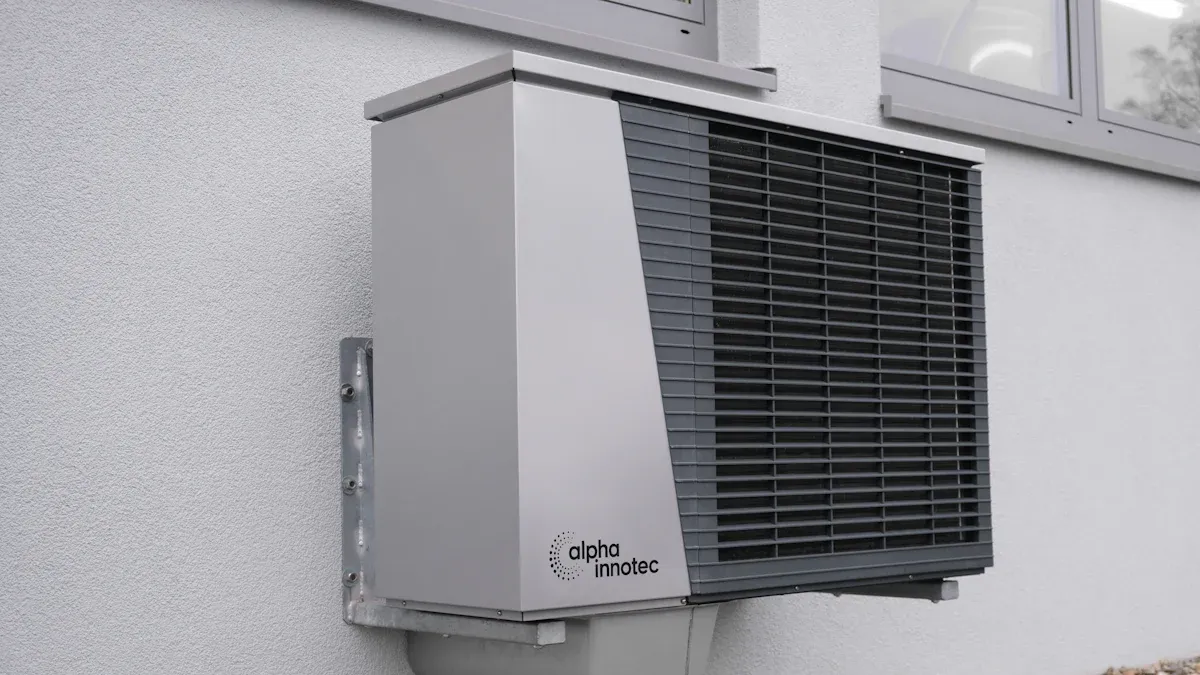
You want your home to feel cool and comfortable, so let’s look at how each system performs. An evaporative cooler works best in hot, dry climates. It uses the power of evaporative cooling to drop the temperature by moving hot air through wet pads. This process adds moisture to the air, which can make your space feel fresh and pleasant. You get a gentle breeze that feels like a natural wind after rain.
Traditional air conditioning, on the other hand, uses a compressor and refrigerant to remove heat and humidity from the air. This system can cool your home to a set temperature, even when the weather outside is sticky or humid. If you live in a place with high humidity, you’ll notice that air conditioning keeps things dry and cool, while an evaporative cooler may struggle to keep up.
If you live in a dry region, you’ll love the way an evaporative cooler makes your home feel. In humid areas, air conditioning usually wins for cooling power.
You probably care about your energy bills and the cost of staying cool. Here’s where evaporative cooling really shines. An evaporative cooler uses much less electricity than a traditional air conditioner. You don’t need a compressor or heavy machinery—just a fan, water, and some simple parts.
Take a look at this table to see how the costs compare:
System Type | Initial Installation Cost | Monthly Operating Cost |
|---|---|---|
Evaporative Cooler | $300 - $4,000 (avg. $2,000-$3,000) | $15 - $25 |
Central Air | $3,000 - $6,000 (up to $15,000+ if ductwork needed) | $100 - $200+ |
You can see that an evaporative cooler costs less to install and run. Your monthly bills stay low, and you don’t have to worry about expensive repairs. Air conditioning systems use more energy, which means higher costs over time.
You might wonder which system is better for the planet. Evaporative cooling stands out as the greener choice. It uses less energy, which means you burn fewer fossil fuels and produce less CO2. You don’t need chemical refrigerants, so you avoid adding greenhouse gases to the air.
Here’s what makes evaporative cooling more eco-friendly:
It minimizes fossil fuel use and carbon emissions.
It uses less energy per unit of cooling output.
It avoids harmful refrigerants.
Air conditioning can use up to 90% more energy than an evaporative cooler.
Evaporative cooling systems are known for their water efficiency and lower environmental impact.
If you want to shrink your carbon footprint, an evaporative cooler is a smart pick. You get effective cooling, save on energy, and help protect the environment—all with the simple power of water and air.
When you think about installing a cooling system, you want something that fits your needs and budget. An evaporative cooler stands out for its simple setup. You usually mount it on your roof or wall and connect it to a water source. The design is straightforward, so you might even handle the installation yourself. You don’t need to worry about complicated ductwork or hiring a team of professionals. This makes evaporative cooling a popular choice for homeowners who want to save time and money.
Air conditioning units, on the other hand, require a more complex process. You need to install an outdoor condenser, run ductwork throughout your home, and sometimes even upgrade your electrical system. This process takes longer and costs more. You almost always need a professional for the job.
Here’s a quick comparison to help you see the differences:
Feature | Evaporative Coolers | Air Conditioning Units |
|---|---|---|
Installation Complexity | Easier and less expensive; simple design | More complex; requires ductwork installation |
Installation Process | Mounting on roof/wall, connecting to water source | Involves outdoor condenser and ductwork setup |
Maintenance Needs | Frequent cleaning/replacement of pads, water flow inspection | Regular filter replacements, refrigerant inspection, duct cleaning |
Water Supply Requirement | Requires regular water supply and maintenance | No water supply needed |
When it comes to maintenance, you’ll notice some key differences. An evaporative cooler needs regular attention. You should clean the pads and check the water flow often. If you skip these steps, your cooling performance drops and you might get bad smells or even mold. You also need to replace the pads every season or more often if you use your cooler a lot. Keeping the water tank clean is important, too.
Air conditioning systems need less frequent but still regular care. You have to replace filters, check refrigerant levels, and clean the ducts. These tasks usually require a professional, especially when dealing with refrigerants. You don’t have to worry about water, but you do need to keep an eye on the system’s overall health.
Tip: If you want low-maintenance cooling, consider how much time you can spend on upkeep. An evaporative cooler is easy to install but needs more hands-on care. Air conditioning takes more work upfront but may need less day-to-day attention.
Choosing between evaporative cooling and traditional air conditioning often comes down to what you value most. If you want a system you can install quickly and maintain yourself, an evaporative cooler might be your best bet. If you prefer less frequent maintenance and don’t mind a bigger installation project, air conditioning could be the way to go.
When you think about adding a new cooling system, you want to know if it will actually work where you live or work. Evaporative cooling isn’t a one-size-fits-all solution. Let’s look at where it shines and where you might want to consider other options.
You get the best results from evaporative cooling in dry regions. If you live in places like the southwestern United States, northern Mexico, or Rajasthan, you’ll notice how well these coolers work. Cities such as Albuquerque, Denver, El Paso, Fresno, Salt Lake City, and Tucson use this technology a lot. The air in these areas holds little moisture, so the cooling process works at its peak.
Works best in arid and desert climates
Popular in the Rocky Mountain states and the southwest U.S.
Ideal for places with hot days and low humidity
Evaporative cooling also performs well in any area with low humidity. You want to look for places where the relative humidity stays below 60%. When the air is dry, the cooler can drop the temperature quickly. You’ll feel a big difference, especially when the wet-bulb temperature stays under 72°F.
Most effective when humidity is low and temperatures are high
Great for homes and businesses in semi-arid climates
Indirect evaporative cooling works well when temperatures range from 82°F to 91°F
If you live in a humid place, you won’t get the same cooling power. The air already holds a lot of water, so the system can’t add much more. Here’s a quick look at how humidity affects performance:
Humidity Level | Cooling Effectiveness | Notes |
|---|---|---|
Above 60% | Significantly Reduced | Cooling drops because the air can’t absorb much more water. |
Below 60% | Optimal Performance | Best results with wet-bulb temps under 70°F. |
Even in hot and humid cities like Houston, you might see a temperature drop of 10°F to 13°F, but it won’t feel as cool as in dry regions.
You need a steady supply of water for evaporative cooling. If you live in a place where water is expensive or hard to get, this system might not be the best choice. You’ll want to think about your local water resources before you decide.
You can use evaporative cooling in single-family homes, apartments, and mobile homes. It works best in open layouts where air can move freely. You’ll enjoy fresh air and lower energy bills.
Many businesses use this system to keep workers comfortable. It’s common in warehouses, workshops, and factories. Outdoor workers, oil and gas crews, and even athletes on the sidelines use portable coolers to stay safe and productive.
Evaporative cooling shines outdoors. You’ll see these coolers at sporting events, outdoor parties, and even in barns for livestock. They help keep people and animals cool without the need for closed spaces.
Tip: If you live in a dry climate and want a simple, eco-friendly way to stay cool, evaporative cooling could be your best bet. Just make sure you have enough water and low humidity for the best results.
Before you buy an evaporative cooler, think about your local climate. These coolers work best if you live in a dry area. If you often deal with high humidity, you might not get the cooling you expect. Here are a few things to keep in mind:
Dry climates help evaporative coolers work at their best.
Humid environments can make these coolers less effective.
Good ventilation is key. If your space has plenty of airflow, you can use a smaller unit. Poor ventilation means you’ll need a bigger cooler to get the same effect.
Tip: Open windows or doors when you run your cooler. This helps fresh air move through your space and boosts cooling power.
You want your cooler to match your space. If you pick a unit that’s too small, you won’t feel much difference. If you go too big, you might waste energy and water. Here’s how to get it right:
Large rooms need coolers with higher CFM (cubic feet per minute) ratings. This helps the air move and keeps the whole area cool.
Small coolers in big rooms will feel weak. You won’t notice much change in temperature.
Look at your room’s layout. If you have lots of shelves, walls, or big furniture, air might not flow well. Place your cooler where nothing blocks the breeze.
Sometimes, you need more than one cooler for spaces with lots of equipment or odd shapes.
Note: Walk around your space and check for spots where air might get trapped. You want the cool air to reach every corner.
Evaporative coolers need a steady supply of water to work well. The amount of water you need depends on your location and the size of your space. Here’s a quick look at some typical water requirements:
Geographic Location | Make-up Water Requirement (gpm) | Notes |
|---|---|---|
Meridian, Mississippi | 11.2 | Average humidity climate |
Livingston, California | 14.6 | Lower humidity, about 30% more evaporation |
Wider homes (40-60 ft) | Varies | More width means more water needed |
If you live in a dry place like California, your cooler will use more water because the air soaks it up faster. In average humidity areas, you’ll use less. Also, wider homes or buildings need more water to keep things cool.
Make sure your water supply can keep up with your cooler’s needs. If water is expensive or hard to get in your area, factor that into your decision.
You probably want to know how much an evaporative cooler will set you back. Good news—these coolers usually cost less than traditional air conditioning units. You can find many models that fit different budgets, so you don’t have to break the bank to stay cool.
Here’s a quick look at the typical price ranges:
Type of Cooler | Price Range |
|---|---|
Evaporative Coolers | $200 - $1,000 |
Air Conditioning Units | $400 - $8,000 |
Most evaporative coolers fall between $200 and $1,000. If you look at air conditioning units, you’ll see prices starting at $400 for small wall or floor models. Central air systems can go up to $8,000 or more, especially if you need new ductwork. That’s a big difference!
You also need to think about installation costs. Many evaporative coolers are easy to set up yourself. You might just need a screwdriver and a little time. Air conditioning units often require professional installation, which adds to the total price.
Here’s a quick list to help you compare:
Wall or floor air conditioners: $400 to $3,000
Ductless units: start at $500
Central air systems: start at $3,000 (with installation)
When you look at monthly bills, evaporative coolers save you even more. They use less electricity, so your energy costs stay low. You might pay $15 to $25 a month to run your cooler, while central air can cost $100 or more each month. Over the summer, those savings really add up.
Don’t forget about maintenance. Evaporative coolers need regular cleaning and pad changes, but the parts are simple and usually cheap. Air conditioners need filter changes and sometimes expensive repairs if something breaks.
Tip: If you want to save money upfront and over time, an evaporative cooler is a smart choice—especially if you live in a dry climate.
Before you buy, set a budget. Think about the size of your space, how much you want to spend on installation, and what you can afford for monthly bills. If you want a cooling solution that won’t drain your wallet, an evaporative cooler is hard to beat.
You’ve seen that evaporative coolers offer big savings, fresh air, and eco-friendly cooling—especially in dry climates. But you also face limits in humid weather and need regular maintenance. Here’s a quick recap:
Pros | Cons |
|---|---|
Energy-efficient and affordable | Less effective in high humidity |
Improves air quality | Needs frequent cleaning |
Adds healthy humidity | Can cause mold if not maintained |
Think about your local climate and space. If you’re unsure, talk with an HVAC expert or check trusted sources like Consumer Reports. The right choice depends on your needs and where you live.
You should clean your cooler at least once a month during heavy use. If you notice musty smells or see mineral buildup, clean it right away. Regular cleaning keeps your air fresh and your cooler running smoothly.
No, you need to keep a window or door open. This lets warm air escape and brings in fresh air. If you close everything, your space can get humid and stuffy.
Evaporative coolers can help filter dust and pollen from the air. You get fresher air, but you must clean the pads often. Dirty pads can make allergies worse.
Most coolers use between 3 and 15 gallons of water per day. The exact amount depends on your climate, the size of your unit, and how long you run it.
Yes, you can add ice to the water tank for a short-term cooling boost. It helps lower the air temperature a bit more, especially on very hot days.
You may hear the fan and water pump running. Most people find the sound similar to a box fan. Some newer models run quieter, so check the noise rating before you buy.
If you skip maintenance, you risk mold, bad smells, and poor cooling. You might also shorten the life of your cooler. Regular cleaning keeps everything working well.