Views: 0 Author: Site Editor Publish Time: 2026-04-11 Origin: Site


Investing in commercial kitchen equipment often requires serious deliberation over high upfront capital expenditures. A blast freezing unit stands out as a prime example of this complex financial dilemma. We must carefully contrast the distinctly different use cases for this intense chilling technology. It serves as an absolute necessity for commercial scalability and food safety. Conversely, it remains an impractical, highly expensive luxury for standard residential kitchens. Facilities pushing high culinary volumes face severe operational bottlenecks if they rely on slow cooling methods. This lag jeopardizes food safety compliance and strictly caps daily output potential. We designed this comprehensive guide to provide operations managers and executive chefs with a rigorous evaluation framework. You will learn how to properly calculate Return on Investment (ROI) for these units. We will help you assess the Total Cost of Ownership (TCO) accurately. Ultimately, you can determine if implementation aligns perfectly with your specific operational viability.
Commercial vs. Residential: While unjustified for home use, blast freezers are critical for high-volume commercial "cook-chill" workflows.
Safety & Compliance: They provide the fastest, safest route through the bacterial "Danger Zone" (41°F–135°F), strictly supporting HACCP standards.
Labor & Yield ROI: They offset initial costs by allowing bulk prep, reducing overtime, eliminating traditional cooling labor (e.g., ice wands), and minimizing food waste.
Micro-Structural Preservation: Rapid cooling locks in cellular moisture, maintaining the texture and flavor of fresh food upon thawing.
Hot food lingering at room temperature presents a massive operational liability for any commercial kitchen. The FDA strictly defines the temperature range between 41°F and 135°F as the dangerous bacterial growth window. Pathogens like Salmonella and E. coli multiply rapidly in this exact environment. Slow cooling gives these dangerous bacteria ample time to spike to toxic levels. Kitchens face severe regulatory risks if they cannot chill large batches quickly. A single failed health inspection can ruin a restaurant's hard-earned reputation overnight. You must cool cooked items safely to protect your guests and your business license.
Manual cooling interventions create a massive, hidden labor drain on your payroll. Kitchen staff often rely on highly inefficient methods like ice baths or commercial ice wands. Workers waste valuable hours constantly monitoring cooling trays spread across the kitchen. They have to stir vats of hot soup manually to disperse the trapped heat. This tedious work consumes expensive labor hours better spent on active prep or service. High-volume environments simply cannot afford this daily inefficiency. Every minute a chef spends managing an ice bath directly reduces your overall kitchen profitability.
The lack of rapid chilling severely caps a kitchen’s overall production capabilities. You cannot easily pre-prepare large batches for peak-season dining demands. Catering events naturally require massive amounts of advanced prep work days ahead of time. Traditional cooling forces chefs to cook uncomfortably close to the actual service time. This limitation creates intense stress and workflow bottlenecks during peak rush hours. Ultimately, these severe production limitations stunt your business growth and revenue potential. You need a chilling system designed specifically to handle high capacity effortlessly.
We must first understand the fascinating micro-science behind ice crystal formation. Regular freezers typically operate at around -18°C. They freeze the inherent water content inside fresh food very slowly. This slow thermal process inevitably creates large, jagged ice crystals. These massive crystals physically rupture delicate cellular walls within the ingredients. When you thaw the product later, it instantly loses critical cellular moisture. Vegetables turn unpleasantly mushy, and expensive proteins become remarkably tough and dry.
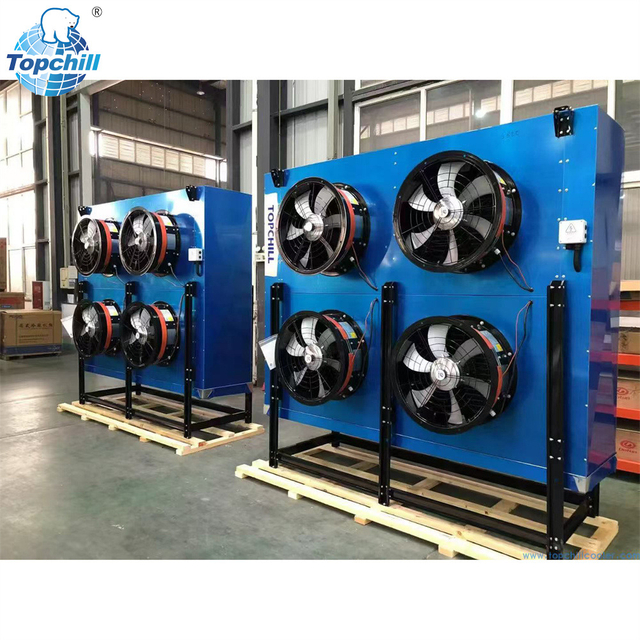
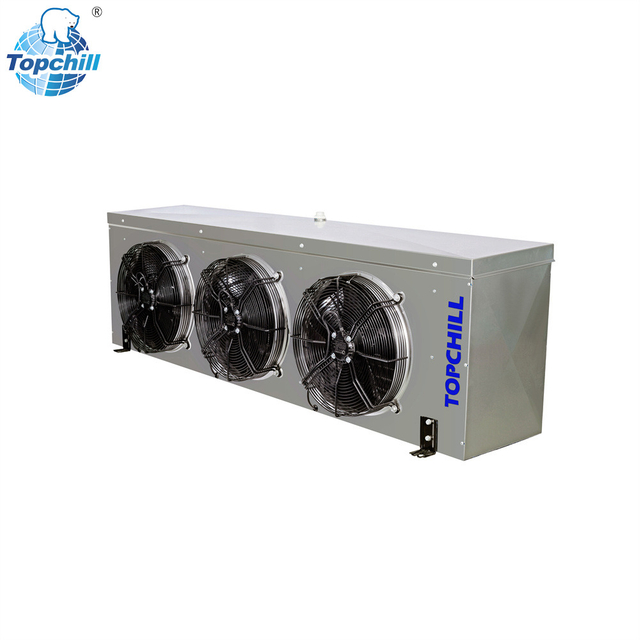
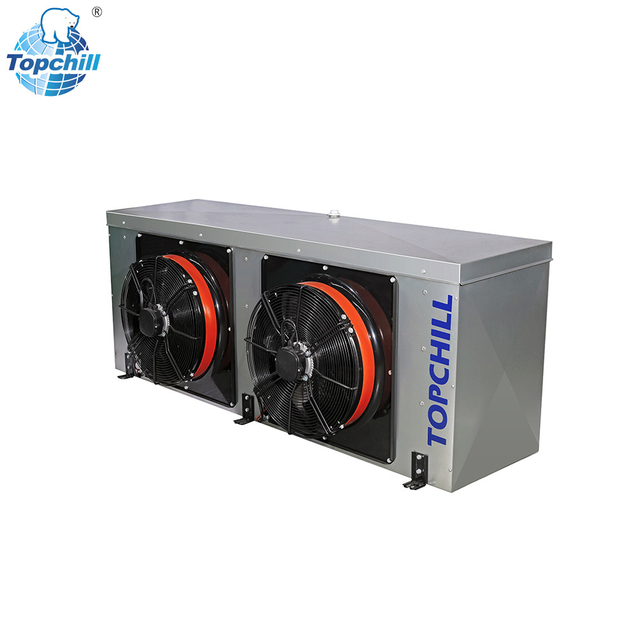
Rapid-cooling dynamics solve this structural degradation problem entirely. Integrating a high-quality Rapid-Cooling Blast Freezer Air Cooler TIF system completely changes the physics of freezing. These specialized units force extreme cold air over products at high velocities. Operational temperatures often plummet rapidly between -30°C and -40°C. This extreme thermal extraction creates microscopic ice crystals instead of jagged ones. Micro-crystals do not pierce the cell walls of your valuable ingredients. You successfully preserve cellular integrity, original texture, and vital nutrient profiles upon thawing.
Understanding the equipment's specific role in your kitchen ecosystem remains vital. A blast chiller or freezer facilitates rapid temperature reduction primarily. Engineers do not design them for permanent, long-term inventory storage. You use the machine to shock the hot food through the danger zone quickly. Once the intense cycle finishes, staff transfer the items into standard holding freezers. They work in tandem to optimize your entire commercial cold chain logistics.
Feature Category | Standard Holding Freezer | Commercial Blast Freezer |
|---|---|---|
Average Operating Temp | Around -18°C (0°F) | -30°C to -40°C (-22°F to -40°F) |
Air Flow Velocity | Static cooling or low-speed fans | High-velocity forced directional air |
Ice Crystal Formation | Large, jagged cellular crystals | Microscopic, harmless crystals |
Primary Kitchen Role | Long-term inventory storage | Rapid short-term temperature reduction |
End Product Quality | High moisture loss upon thawing | Retains original fresh texture perfectly |
Smart executives must measure expensive equipment investments against tangible financial returns. The true value of rapid chilling emerges across three core operational pillars. We can break down the financial justification for this hardware clearly.
A rapid chiller acts as the absolute backbone of the modern "cook-chill" workflow. Chefs can execute massive production runs efficiently during slow, off-peak hours. They might prepare 60 gallons of complex stock on a quiet Tuesday morning. Bakers can produce thousands of intricate pastries well before the weekend holiday rush. Staff rapidly freeze these prepared items to lock in freshness immediately. Kitchens can then reheat them during dinner service without any noticeable quality degradation.
This workflow fundamentally flattens your erratic labor demand curve. You no longer need a fully staffed, stressed kitchen during every service peak. Prep cooks handle the bulk of the heavy work during quiet daytime shifts. This intelligent scheduling flexibility dramatically reduces your expensive weekly overtime costs. Your labor budget quickly becomes predictable, optimized, and significantly lower over time.
Slow cooling naturally causes significant moisture evaporation in hot foods. Steaming food physically shrinks as it releases water vapor into the kitchen air. Rapid chilling halts this evaporative loss almost instantly. You retain much more physical weight and volume per cooked batch. This higher retained yield directly improves your plate margins and profitability.
Furthermore, this chilling technology extends product shelf life dramatically. You successfully avoid the tragic scenario of throwing away spoiled prep items. Kitchens can aggressively embrace bulk seasonal purchasing strategies. You can buy expensive truffles or summer berries at their absolute lowest ingredient costs. You freeze them perfectly and use them months later for a premium menu markup.
Food safety compliance presents a constant operational anxiety for restaurant owners. This specialized equipment effectively automates the crucial chilling safety process. You can cool cooked food perfectly safely in under 90 minutes. This guaranteed speed ensures strict, easy adherence to federal health codes.
We cannot overstate the profound financial impact of targeted risk mitigation. A single public health inspection failure can devastate a restaurant brand permanently. Spoilage events routinely force owners to discard thousands of dollars in ruined inventory. By guaranteeing safe temperature transitions, you avoid catastrophic product loss entirely. The machine essentially acts as an ironclad insurance policy for your inventory.
Best Practice: Always log your chilling cycles meticulously. Many modern blast chillers generate automatic digital reports, vastly simplifying your daily HACCP documentation process.
Selecting the right hardware model requires matching capacity to your daily volume. Kitchens frequently fail when they buy units too small for their actual output. Conversely, buying an oversized unit wastes valuable floor space and spikes electricity bills. You must evaluate the available sizing tiers very carefully.
Consider these primary volume and footprint tiers before purchasing:
Low-Profile/Undercounter (35–48 lbs): These compact units are completely ideal for tight prep lines. You can slide them directly under combi ovens for highly ergonomic pan transferring. They suit small urban cafes or boutique bakeries perfectly.
Reach-In (up to 220 lbs): This size works best for mid-sized restaurants transitioning heavily into batch prep. The vertical interior comfortably accommodates standard commercial sheet pans. It offers a fantastic balance of reasonable footprint and high daily capacity.
Roll-In/Pass-Thru (500+ lbs): Engineers designed these massive systems for enterprise logistics and central production kitchens. You can roll large-scale catering carts directly into the chilling chamber. They often feature doors on both sides to separate cooking zones from packaging zones.
You must also critically evaluate essential hardware features before signing a purchase order. Look closely at sanitation improvements and ergonomic benefits. Seamless radius corners prevent dangerous food debris from accumulating inside the cabinet. Thick polyurethane insulation keeps the extreme internal cold trapped highly efficiently. Foot-pedal doors offer incredible hands-free loading capabilities for busy staff. Cooks can carry heavy, dangerously hot pans without struggling to pull open the unit. Incorporating a Rapid-Cooling Blast Freezer Air Cooler TIF model often ensures you secure these premium construction details.
Finally, thoroughly assess the software capabilities and audit readiness of the machine. Modern commercial kitchens rely heavily on accurate data for local health inspections. Look for smart units offering customizable cycle programs for radically different ingredients. Delicate laminated pastries require different air velocities than dense pork shoulders. USB data export capabilities are absolutely crucial in modern kitchens today. Staff can download exact temperature logs seamlessly for flawless, stress-free HACCP logging.
A comprehensive Total Cost of Ownership (TCO) analysis prevents highly unpleasant financial surprises. The initial sticker price only represents the beginning of your overall financial commitment. You must critically factor in long-term utility costs and potential facility modifications.
Energy consumption represents the most significant ongoing operational expense. Blast freezers require intense, sudden energy bursts during their chilling cycles. They draw heavy electrical currents to power high-velocity fans and specialized extreme-temperature compressors. You must evaluate your building's exact electrical load capacity beforehand. Additionally, these heavy machines exhaust considerable heat into the surrounding kitchen environment. You might need to upgrade your kitchen HVAC system to handle this sudden thermal output. Failing to account for HVAC implications reliably leads to an uncomfortably hot kitchen.
Cost & Risk Factor | Hidden Implementation Danger | Required Mitigation Strategy |
|---|---|---|
Electrical Load | Tripping main breakers during initial cycle startup | Audit facility amperage capacity beforehand |
HVAC Strain | Kitchen overheating severely from unit exhaust | Install dedicated ventilation hoods nearby |
Space Limits | Compressor suffocating tightly against a wall | Enforce a 3-inch minimum rear clearance |
Space limitations frequently ruin poorly planned commercial installations. You absolutely cannot shove this sensitive equipment tightly against a back wall. The heavy compressor requires adequate clearance for proper airflow and safe ventilation. If you accidentally choke the exhaust, the machine will overheat and fail prematurely. Always measure your facility doorways to ensure the crated unit actually fits inside your building.
We must issue a firm residential reality check right here. We directly advise against any residential purchases of this heavy commercial equipment. The thousands of dollars spent simply do not justify standard household usage. Home cooks do not face the severe volume bottlenecks of a restaurant. Furthermore, typical residential wiring rarely supports the massive amperage requirements.
Home users should utilize viable zero-cost alternatives for better freezing instead. You can achieve surprisingly good results using very simple kitchen methods.
Parchment Flat-Freezing: Spread berries or dumplings apart on a flat tray to freeze individually before bagging.
Vacuum Sealing: Remove all oxygen from packaging to prevent freezer burn heavily during slow freezing.
Localized Dry Ice: Use dry ice for special rapid freezing projects without needing permanent, expensive machinery.
Common Mistake: Installing a blast chiller immediately next to a deep fryer. The ambient heat from the fryer forces the chiller's compressor to work twice as hard, shortening its lifespan dramatically.
A commercial blast freezing system fundamentally transforms how a professional kitchen operates daily. It effectively eliminates the dangerous, unpredictable lag time associated with traditional cooling methods. You perfectly preserve the microscopic cellular integrity of your most expensive seasonal ingredients. Ultimately, it proves completely worth the investment if your operation struggles with severe labor bottlenecks, high food waste, or strict compliance audits. It deliberately shifts your entire workflow from reactive cooking to proactive, high-yield production.
Your immediate next step involves conducting a thorough internal capacity audit. Track your daily output volume meticulously over a two-week peak period. Calculate the exact poundage of hot food you need to chill simultaneously. Match this specific data against equipment capacity tiers, deciding carefully between undercounter or roll-in models. Once you define your precise workflow needs, you can engage a distributor confidently.
A: No. They are designed exclusively for short, high-intensity cooling cycles. Running them continuously wastes massive amounts of electricity and strains the specialized compressor. Long-term storage should always be transferred to standard holding freezers to prevent food freezer burn and avoid excessive energy use.
A: Commercial safety standards dictate dropping cooked food from 135°F to below 41°F within 90 minutes. Quality rapid chillers easily meet this benchmark, safely pushing hot items through the bacterial danger zone to ensure strict HACCP compliance.
A: They utilize highly specialized extreme-temperature compressors and powerful high-velocity airflow systems. Their construction requires extremely thick commercial-grade polyurethane insulation and seamless stainless steel. Manufacturers engineer these premium components specifically to handle rapid thermal extraction safely without breaking down under heavy commercial stress.