Views: 0 Author: Site Editor Publish Time: 2026-04-13 Origin: Site


Temperature control ensures absolute comfort and operational efficiency. However, poorly managed cooling systems often act as a primary trigger for asthma and COPD. You must choose carefully between evaporative air coolers and traditional air conditioning. This choice dictates how you manage two severe respiratory triggers. These triggers are excessive humidity, which breeds mold and dust mites, and excessively cold, dry air, which causes severe bronchospasms. Whether you evaluate a system for a home environment or a commercial facility protecting occupational health, selecting the right cooling technology is vital. It requires you to balance air purification, moisture control, and hygienic equipment design. In this guide, you will learn how different cooling systems affect respiratory health. We will explore the critical criteria for asthma-friendly temperature control. You will also discover how to implement strict hygienic standards to safeguard vulnerable airways.
Moisture vs. Dryness: Evaporative air coolers increase humidity (beneficial for dry climates but a mold risk if unmonitored), while traditional ACs dry the air (can irritate sensitive airways).
Hygiene is the Deciding Factor: For an air cooler to be asthma-safe, rigorous maintenance of cooling pads and water reservoirs is non-negotiable to prevent airborne bacteria and mold spores.
Commercial/Industrial Standards Apply: High-risk environments rely on hygienic, easy-to-clean equipment (like food-grade units) to control temperatures without compromising air quality or triggering occupational asthma.
Cooling systems often fail basic respiratory health tests. You must understand the underlying business and health problems to evaluate them properly. Hyper-reactive airways respond aggressively to physical and biological irritants. Cold, dry air acts as a severe physical irritant. It rapidly cools the airway lining. This rapid cooling triggers the airway smooth muscles to spasm. We call this a bronchospasm. Conversely, stagnant water inside cooling units breeds biological triggers. Mold spores and bacteria multiply rapidly in dark, damp environments. The system then aerosolizes these pathogens directly into the breathing zone.
You need strict baseline requirements to build a safe cooling solution. First, the system must maintain indoor relative humidity between 30% and 50%. Dust mites thrive when humidity climbs above 50%. Mold spores proliferate at similar levels. Second, the system must prevent sudden, drastic temperature drops. Gradual cooling protects sensitive lungs. Third, active filtration is mandatory. You cannot achieve asthma-safe air without removing microscopic particulates.
We must shift our primary evaluation lens. Stop focusing exclusively on raw cooling capacity. Start measuring air quality output. A powerful cooling system means nothing if it degrades indoor air quality. If a system cannot guarantee mold-free operation, it fails. If it cannot filter out PM2.5, pollen, and pet dander, it fails the asthma-friendly test.
Best Practice: Install smart hygrometers in treated spaces. Monitor humidity levels in real time to ensure they stay below 50%.
Best Practice: Deflect airflow away from direct human contact. Use louvers to direct cooled air toward the ceiling.
Common Mistake: Sizing a unit based solely on British Thermal Units (BTUs). Oversized traditional AC units cool spaces too quickly without properly dehumidifying them.
Common Mistake: Ignoring the water reservoir in evaporative coolers. Leaving standing water for days guarantees bacterial growth.
Choosing the right cooling technology requires understanding regional climates and respiratory needs. We can break these solutions into two distinct categories. They each carry unique benefits and significant risks.
Evaporative coolers pull warm outside air through water-saturated pads. The water evaporates, absorbing heat and lowering the air temperature. The fan then blows this cooled, moistened air into the space.
Pros: They introduce 100% fresh outside air continuously. They do not dry out the respiratory tract. They consume significantly less energy than refrigerant-based systems.
Cons/Risks: They constantly add moisture to the air. They can easily push indoor humidity past the 50% threshold. This environment highly encourages dust mite proliferation. Furthermore, poorly maintained water tanks aerosolize mold spores. The fan blows these biological triggers directly into the room.
Traditional AC uses a closed refrigerant loop to absorb heat from indoor air and release it outside.
Pros: They dehumidify the air naturally during the cooling process. They support high-grade HEPA filtration. This filtration traps pollen, pet dander, and fine particulate matter.
Cons/Risks: They frequently recirculate stale indoor air. They output highly concentrated cold, dry air. Medical professionals identify this cold, dry air as a known trigger for exercise-induced and cold-induced asthma.
We can establish a clear verdict for asthma sufferers. Evaporative coolers are strictly viable only in arid, dry climates. They require rigorous, non-negotiable cleaning protocols. In humid climates, traditional AC provides the safer, more controllable choice. You must pair the traditional AC system with integrated air purification to maximize safety.
Cooling Technology | Humidity Impact | Airflow Source | Primary Asthma Risk | Ideal Climate |
|---|---|---|---|---|
Evaporative Air Cooler | Increases humidity | 100% Fresh outside air | Mold spores and dust mites (from excess moisture) | Arid and dry climates |
Traditional AC (HVAC) | Decreases humidity | Recirculated indoor air | Bronchospasms (from cold, dry drafts) | Humid and temperate climates |
Bridging the gap between residential comfort and occupational health requires major upgrades. Commercial settings demand stricter equipment standards. Processing facilities, storage warehouses, and large industrial spaces employ diverse workforces. Protecting workers with asthma in these zones goes beyond basic residential filters. You need specialized hardware to prevent occupational asthma flare-ups.
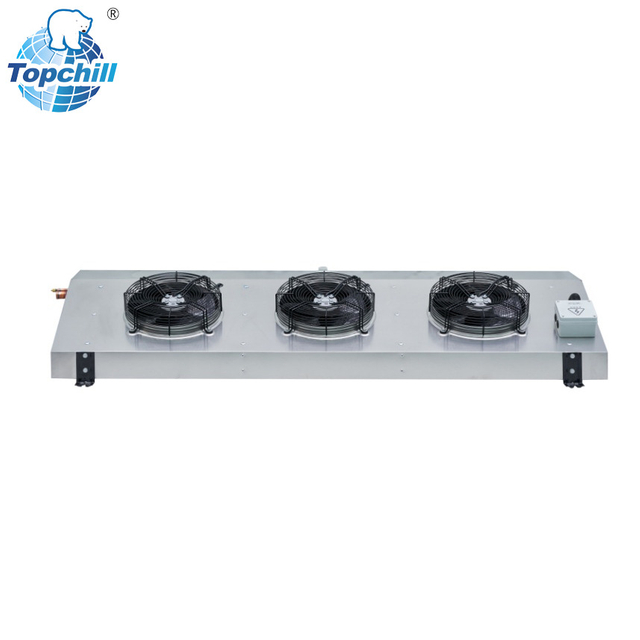
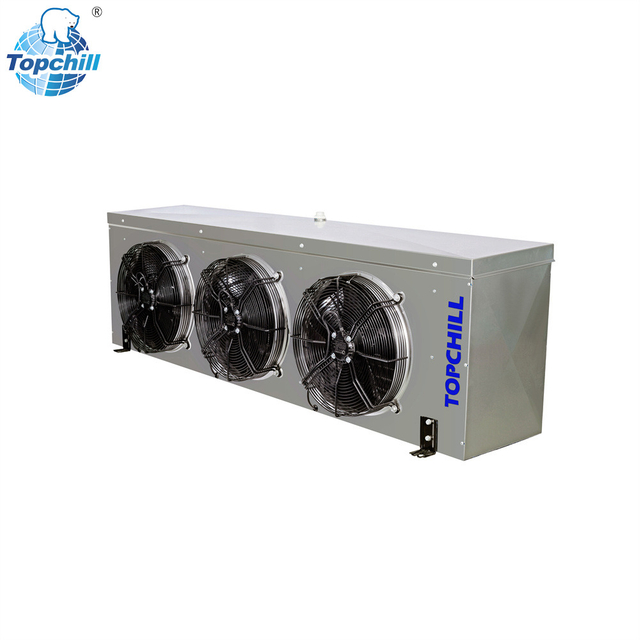
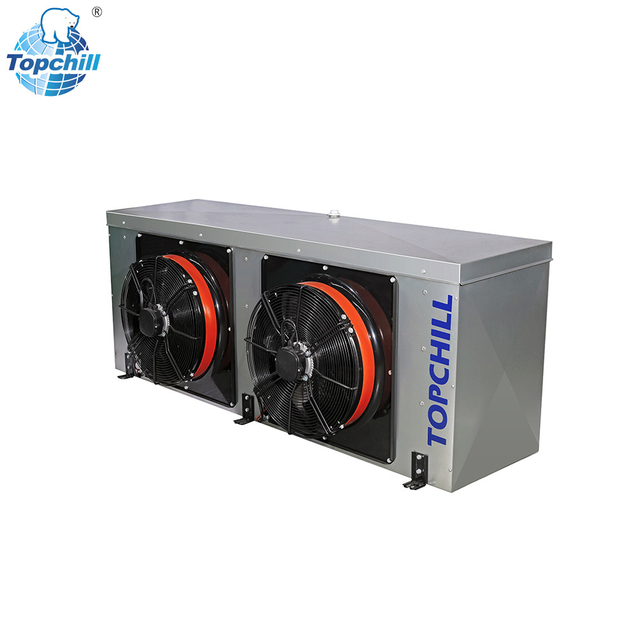
Implementing a Food-Grade Air Cooler Medium Temperature system directly addresses major respiratory risks. These units feature purposeful engineering. Manufacturers design them specifically to control biological growth and deliver gentle cooling.
We evaluate these industrial systems across three primary dimensions:
Hygienic Construction: Standard coolers use porous plastics and cheap metals. These materials encourage mold, mildew, and bacterial buildup. Hygienic units feature stainless steel construction. They utilize antimicrobial components. Smooth surfaces prevent biofilms from attaching and growing.
Temperature Control: Extreme cold shocks trigger asthmatic bronchospasms. Deep-freeze units output harsh, freezing air. Medium temperature capabilities prevent this issue. They maintain a stable, safe working environment. They cool the space gently without assaulting vulnerable airways.
Wash-Down Readiness: Stagnant water and dust create a toxic sludge. Industrial coolers must support frequent, rigorous sanitization. Wash-down ready units feature easy-access coils. They utilize sloped drain pans to eliminate standing water. This design drastically reduces airborne biological triggers. Facility teams can sanitize them quickly and thoroughly.
Industrial hygiene standards provide a perfect blueprint. You can apply these principles even in smaller commercial settings. Prioritizing equipment cleanability guarantees long-term air quality. It removes the guesswork from facility maintenance.
You cannot evaluate a cooling system based on the initial purchase price alone. Creating an asthma-safe environment involves ongoing investments. We must analyze the Total Cost of Ownership (TCO) alongside potential implementation risks.
Asthma-safe cooling carries specific operational costs. You must factor in high-efficiency filters. Upgrading to MERV 13 or HEPA filters increases periodic replacement expenses. Evaporative systems require specialized water treatments. These treatments prevent algae and bacterial blooms. Furthermore, you must account for labor costs. Mandatory weekly cleaning schedules demand dedicated staff hours. You cannot skip these maintenance routines.
However, the returns on this investment remain substantial. Safe air drastically reduces overall healthcare costs. Businesses see significantly lower absenteeism from occupational asthma flare-ups. Workers perform better in stable, breathable environments. Moreover, you achieve improved compliance with strict indoor air quality (IAQ) regulations. Avoiding regulatory fines easily offsets routine maintenance costs.
Investment Area | Cost Driver | ROI / Health Benefit |
|---|---|---|
High-Grade Filtration | Cost of HEPA/MERV 13 filters and fan energy | Traps PM2.5, pollen, and allergens; lowers asthma attacks |
Water Treatment | Cost of antimicrobial tablets and descalers | Prevents airborne mold and bacterial infections |
Maintenance Labor | Weekly wages for deep cleaning and coil washing | Extends equipment lifespan; ensures regulatory compliance |
Retrofitting presents a major risk. Installing high-grade HEPA filters in older HVAC systems restricts airflow. This restriction places immense strain on aging blower motors. The system may freeze up or fail entirely. You must consult HVAC technicians before upgrading filters on legacy systems.
Water quality dictates the success of evaporative coolers. Hard water causes severe problems. It deposits thick calcium buildup on the cooling pads. This calcification severely reduces cooling efficiency. Worse, it creates highly porous, crusty environments. Bacteria thrive in these microscopic crevices. You must test your local water supply. If you have hard water, you must install pre-system water softeners.
You now understand the respiratory risks and the technological solutions. It is time to finalize your shortlisting logic. Follow a structured approach for procurement and setup.
First, you must assess your environmental variables. Map the baseline humidity in your target space. Track the seasonal temperature requirements. If your local climate frequently exceeds 50% relative humidity, eliminate evaporative coolers from your list immediately. Refrigerant-based cooling becomes your only safe option.
Second, demand compliance and specialized certifications. Do not accept marketing claims at face value. Look for residential systems verified by reputable asthma and allergy foundations. For commercial buyers, demand industrial hygienic standards. Sourcing equipment like a Food-Grade Air Cooler Medium Temperature unit ensures you meet strict safety benchmarks. These units inherently resist the biological contamination that plagues standard coolers.
Finally, take an actionable next step today. Audit your current maintenance schedule. Be entirely honest about your facility's bandwidth. An evaporative cooler requires weekly sanitization of its water reservoir and pads. Can your staff commit to this rigid schedule? If your facility lacks the labor to maintain this, you must pivot. Change your shortlisting to closed-loop AC systems. Ensure they feature integrated HEPA purification. You cannot compromise on maintenance when asthma safety is on the line.
An air cooler is not inherently "good" or "bad" for asthma. Its safety depends entirely on your local climate, the unit's hygienic design, and the strictness of your maintenance schedule.
For dry, arid climates, evaporative coolers offer symptom-relieving moisture. You must maintain them rigorously to prevent biological contamination.
For humid areas, you must prioritize closed HVAC systems. These systems naturally dehumidify the air and support robust HEPA filtration.
For commercial spaces, specialized hygienic equipment is mandatory. Use wash-down ready, stainless steel units to eliminate mold risks and control severe temperature drops.
Audit your maintenance bandwidth before purchasing. Never install a water-based cooling system if you cannot commit to a weekly cleaning routine.
A: Yes, if poorly maintained. The cooling pads and water tanks can become breeding grounds for mold and bacteria, which are then blown into the room, severely triggering asthma.
A: Cold, dry air can cause the muscles around the airways to spasm. It is recommended to use medium temperature settings and avoid pointing the airflow directly at individuals.
A: For active use, water tanks should be rinsed every few days, and cooling pads should be inspected and cleaned weekly, with complete replacement at least once per season.