Views: 0 Author: Site Editor Publish Time: 2026-04-21 Origin: Site


Temperature control forms the absolute foundation of food safety in any culinary operation. It acts as your primary defense against dangerous pathogens like Salmonella and Listeria. These bacteria multiply rapidly when left unchecked. Regulatory bodies actively enforce strict maximum allowable temperatures to protect public health. However, hitting these specific targets on paper differs wildly from real-world execution.
Operational variables constantly threaten your carefully calibrated cold storage. Employees open doors frequently during peak rushes. Incoming warm inventory introduces heavy thermal loads. These daily disruptions push basic equipment beyond its limits. Traditional consumer guidelines simply cannot support commercial realities. You must implement robust mechanical solutions to survive.
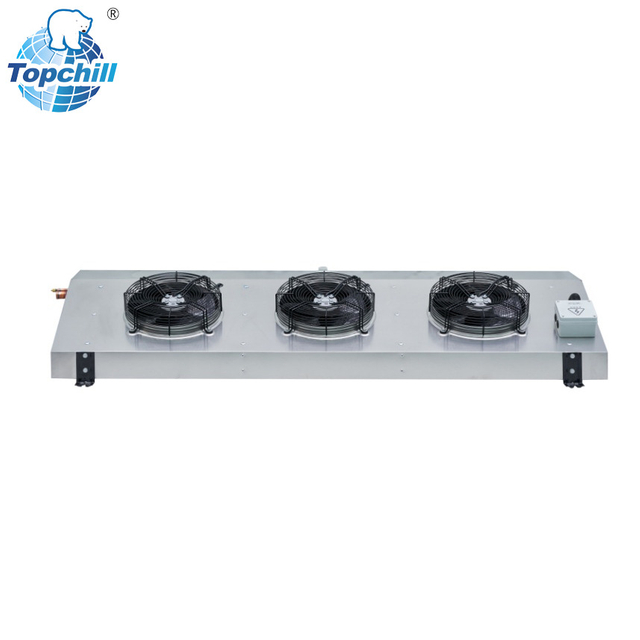
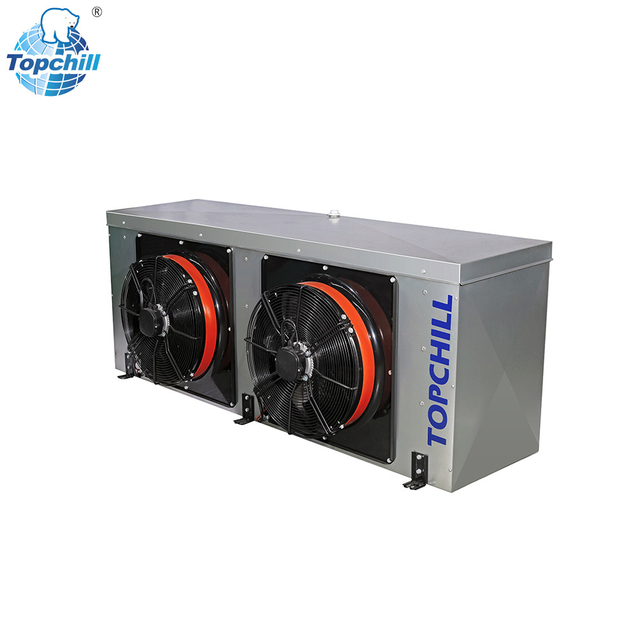
Upgrading to a purpose-built Food-Grade Air Cooler Medium Temperature system provides the necessary power. It ensures continuous regulatory compliance and rapid thermal recovery. Furthermore, it aggressively minimizes inventory spoilage while protecting your hard-earned brand reputation from costly health code violations.
Regulatory Baseline: The FDA mandates keeping refrigeration at 40°F or below, but the operational "sweet spot" is 34°F–38°F to create a thermal buffer.
The Danger Zone: Bacterial growth doubles every 20 minutes between 40°F and 140°F.
Equipment Matters: Standard cooling mechanisms fail under high-traffic commercial loads; purpose-built medium-temperature air coolers are required for rapid pull-down and temperature stability.
Smart Monitoring: Measuring liquid/product core temperature (via the water-bottle method) is more accurate than measuring fluctuating ambient air.
Food safety relies heavily on strictly defined baseline metrics. The FDA and USDA draw a very firm line in the sand. They mandate a strict compliance ceiling for all operators. Your refrigeration equipment must maintain temperatures at 40°F or below. Freezers must hold steady at exactly 0°F. These numbers represent the absolute legal limits for safety. However, operating exactly at 40°F leaves zero margin for error. We consider this a highly risky strategy.
Industry veterans generally target a much safer operational ideal. We strongly recommend setting your units between 34°F and 36°F. This specific range creates a highly functional thermal buffer. Consider what happens during a busy dinner service. Workers open the cooler doors constantly. They introduce warm air and fresh, unchilled inventory. This activity inevitably causes sudden temperature spikes. A 34°F baseline guarantees your ambient air never accidentally crosses the 40°F threshold during these turbulent moments.
Microbiological realities dictate why we enforce these tight margins. Food behaves unpredictably at extreme limits. If your thermostat drops near 32°F, you risk accidental freezing. Ice crystals form inside cellular walls. This physical expansion ruptures the delicate structures in fresh produce and raw eggs. It destroys their crisp texture and drastically reduces shelf life. Conversely, letting temperatures creep past 39°F invites rapid decay. Spoilage bacteria thrive vigorously in this upper threshold. Finding the perfect equilibrium demands mechanical precision.
Temperature Range | Storage Environment | Biological Impact & Food Quality |
|---|---|---|
Below 32°F | Freezing Risk Zone | Ice crystal formation ruptures cell walls; ruins produce texture. |
34°F – 38°F | Operational Ideal | Provides vital thermal buffer; maximizes shelf life and freshness. |
39°F – 40°F | Compliance Ceiling | Technically safe legally, but highly vulnerable to immediate spikes. |
41°F – 140°F | The Danger Zone | Pathogen growth doubles every 20 minutes; guarantees rapid spoilage. |
Small-scale cooling equipment often disguises a massive business problem. Standard static refrigeration functions perfectly in quiet residential kitchens. Yet, it fails spectacularly under intense commercial demands. High-traffic environments require heavy-duty performance. Basic compressors simply lack the mechanical torque to recover from constant thermal disruptions.
You must understand the severe threat of temperature fluctuations. Every door opening pulls dense cold air out. It immediately pulls humid, warm air inside. High-volume restocking events amplify this issue significantly. Loading several pallets of room-temperature vegetables introduces a massive thermal load. Standard systems attempt to cool this mass using low-capacity coils. They struggle for hours to pull the ambient air back down. During this extended recovery window, your entire inventory sits dangerously close to the bacterial danger zone.
The "hot food" factor perfectly illustrates this critical vulnerability. Many amateur cooks believe they must cool warm food on the counter before refrigerating it. We strongly debunk this dangerous myth. Leaving food out at room temperature invites aggressive bacterial growth. You should always refrigerate food as quickly as possible. However, the risk changes in commercial settings.
Placing giant vats of hot liquid into a standard fridge creates a thermal disaster. The intense radiant heat overwhelms the weak compressor. It drastically raises the ambient temperature of the entire cabinet. This sudden heat wave puts your previously chilled inventory at immediate risk of spoilage. You need commercial-grade pull-down capabilities to handle this shock.
Solving these scaling issues requires specialized industrial architecture. You cannot rely on upgraded consumer appliances. Instead, you must implement a powerful Food-Grade Air Cooler Medium Temperature unit. These robust systems serve as the mechanical foundation for serious operations. They efficiently run expansive walk-in coolers. They manage busy commercial prep rooms. They drive large-scale cold storage facilities. Their purpose-built design handles brutal daily stress effortlessly.
Evaluating these complex systems requires a strict technical framework. You should judge potential solutions across three key dimensions:
Hygiene & Compliance: Food safety starts with cleanable equipment. Rigorous NSF and FDA standards govern commercial environments. Look specifically for units built using high-grade stainless steel casings. They resist rust and aggressive cleaning chemicals. Check for epoxy-coated evaporator fins. They withstand the corrosive acids naturally released by stored foods. Finally, inspect the drop-down drain pans. They must swing open easily. This simple access prevents dangerous Listeria harborage and dramatically speeds up daily wash-down protocols.
Airflow & Throw: Powerful cooling means nothing if the air cannot circulate. Always evaluate the CFM (Cubic Feet per Minute) ratings carefully. High CFM ensures rapid, even air distribution across every square inch of your cooler. It physically eliminates localized warm pockets where bacteria hide. However, the system must control this velocity. Proper fan engineering prevents direct, aggressive blasts of cold air. Too much direct velocity causes severe freezer burn on delicate inventory.
Defrost Cycles: Medium-temperature environments operate right on the edge of freezing. This constant 34°F–38°F range causes ambient humidity to condense and freeze on the evaporator coils. You must carefully assess air-defrost versus electric defrost capabilities. Smart, automated defrost cycles melt this ice buildup periodically. They keep the coils perfectly clear. Clean coils guarantee your unit maintains peak energy efficiency without losing cooling capacity during critical service rushes.
Buying the best equipment only solves half the equation. You must actively optimize the internal environment to extract maximum value. We strongly recommend implementing a micro-climate strategy. Your cold room holds diverse ingredients. They all demand distinct humidity and airflow zones to survive.
Low-humidity needs dominate the fruit category. Apples, pears, and bananas naturally produce high levels of ethylene gas as they ripen. This gas accelerates decay in surrounding items. You must store them in vented areas with active airflow. The circulating air disperses the ethylene and prevents rapid rotting. Conversely, high-humidity needs dictate vegetable storage. Leafy greens, crisp lettuce, and fresh herbs wilt rapidly in dry, moving air. You must store them in sealed, high-moisture retention zones. This blocks the dry airflow and locks in their cellular water content.
Understanding the basic physics of cold storage completely changes your daily operations. You must master proper loading techniques. This involves leveraging the concept of thermal mass. Surprisingly, an empty fridge struggles to maintain its temperature. The air escapes easily when doors open. We advise maintaining a constant 2/3 to 3/4 capacity load inside your coolers. The physical mass of your chilled inventory acts like a giant cold battery. It actively absorbs incoming heat spikes. This heavy mass stabilizes the surrounding ambient air. Just remember to leave clear channels. The cooler needs open pathways to circulate its chilled air effectively.
Finally, you must adopt a rigorous calibration protocol. Do not trust the digital readout on the wall blindly. It measures ambient air near the sensor. Simply opening the door for ten seconds alters this reading and triggers false alarms. Instead, experts recommend the "Water Bottle Method" for absolute accuracy.
Follow these exact steps to calibrate your systems accurately:
Select a small, heavy-duty plastic bottle.
Fill the container completely with clean tap water.
Secure a tight-fitting, leak-proof lid onto the top.
Pierce the center of the lid carefully.
Insert a calibrated probe thermometer deep into the liquid.
Place this sealed testing unit near the center of your storage racks.
Wait 24 hours, then read the thermometer to gauge the true core temperature of your actual product.
Facility managers often hyper-focus on the initial purchase price of cooling equipment. This narrow view ignores massive long-term financial impacts. You must evaluate the Total Cost of Ownership (TCO) alongside the Return on Investment (ROI). Inadequate, struggling cooling systems quietly destroy your profit margins every single operating hour.
Spoilage reduction offers the fastest path to positive ROI. Accurate medium-temperature cooling acts as a direct offset to inventory shrinkage. When your cooler holds a rock-solid 35°F, perishables easily last days longer. You dramatically reduce the volume of spoiled food hitting the trash can. This immediate reduction in daily waste drops straight to your net profits.
Energy efficiency and rapid pull-down times drive significant utility savings. A properly sized, highly efficient air cooler cools hot spaces incredibly fast. This rapid thermal recovery reduces the total hours your compressor runs each day. Shorter run cycles drastically lower your monthly electrical bills. Furthermore, reducing the mechanical strain inherently extends the overall operational lifespan of your expensive exterior condensers.
Never underestimate the immense value of audit readiness. Health inspectors arrive completely unannounced. Relying on certified, food-grade systems ensures you pass these rigorous inspections effortlessly. You actively mitigate severe compliance risks. A failed inspection ruins your public reputation. It also threatens you with sudden, disastrous operational shutdowns.
If your current system struggles to maintain 40°F, you must act quickly. Begin by shortlisting your exact needs. First, audit your facility to calculate the daily peak heat load. Track your door openings and inventory turnover rates. Next, assess your exact physical space constraints. Finally, consult directly with a certified HVAC/R specialist. They will analyze your data. They will match the exact BTU requirements to ensure your new facility operates flawlessly under maximum pressure.
Securing the ideal food safety environment goes far beyond simply turning a dial to 37°F. It requires careful planning and robust mechanical execution.
You must deploy the correct mechanical infrastructure to hold temperatures steady under intense operational stress.
Investing in a certified medium-temperature system shifts your business from reactive troubleshooting to proactive compliance.
Utilizing proper loading strategies and smart monitoring techniques maximizes both equipment lifespan and food quality.
Do not wait for a failed health inspection or a massive inventory loss. Request a professional engineering assessment today. Review technical spec sheets thoroughly. Correctly size your next commercial cooling unit to protect your operations and boost your profitability.
A: If left unopened, a well-sealed unit will typically hold food safely below 40°F for up to 4 hours. You can extend this window significantly by utilizing thermal mass. Keeping pre-frozen water jugs inside the unit absorbs heat and maintains safe ambient temperatures longer during emergencies.
A: You can easily check your gaskets using the "Dollar Bill Test." Close a paper bill halfway inside the door seal and pull it out. A lack of physical resistance indicates compromised gaskets. Failing seals lead directly to cold air loss, overworked cooling units, and rapid food spoilage.
A: Always divide large batches into shallow containers under 2 inches deep. Alternatively, use rapid ice-water baths to drop the temperature quickly. This physical division prevents the intense heat from overwhelming your medium-temperature air cooler, which protects the ambient temperature of your existing inventory.