Views: 0 Author: Site Editor Publish Time: 2026-04-11 Origin: Site


Commercial kitchens, food processing plants, and pharmaceutical supply chains are evolving at an unprecedented pace. Simple cold storage is no longer enough to meet modern demands. Instead, businesses are steadily shifting toward advanced thermal processing to protect product integrity and maximize yield. Standard freezing methods carry hidden costs you might not notice immediately. Cellular degradation, severe food waste, and strict compliance risks quietly drain profit margins over time. Facility managers must constantly weigh these daily hidden losses against the steep capital expenditure of specialized blast freezing equipment. This article moves beyond basic equipment definitions to deliver a comprehensive technical and economic evaluation. You will learn the engineering realities behind passive versus rapid cooling technologies. We also provide actionable ROI frameworks and performance metrics to help you finalize your capital equipment shortlists with absolute confidence.
Process vs. Storage: A regular freezer is a *storage* unit designed to hold already-frozen goods at a stable -18°C; a blast freezer is a *processing* tool engineered to shock-freeze items to -40°C rapidly.
Cellular Integrity: Fast freezing bypasses the critical water lattice-formation stage, producing micro-ice crystals that prevent tissue puncture and eliminate "drip loss" upon defrosting.
Compliance & Safety: Blast equipment forces food through the bacterial "Danger Zone" (8°C to 68°C) fast enough to meet strict global HACCP requirements.
TCO Trade-offs: While blast freezers consume significantly more space and energy during operation, they offset costs via extended shelf life (3–5x), reduced waste, and the ability to bulk-purchase seasonal ingredients.
Heat transfer defines the core difference between basic commercial freezers and industrial blast chillers. You must understand how these systems handle thermal mass. A regular freezer relies heavily on passive cooling. It utilizes natural convection or low-speed fans. Engineers design these units to maintain ambient cabinet temperatures. They struggle immensely when you insert freshly cooked, hot food. The existing compressor cannot pull down a massive sudden thermal load quickly.
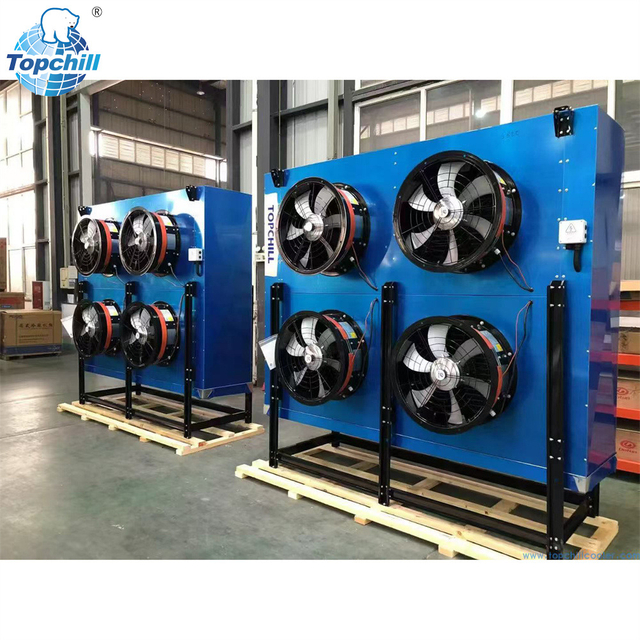
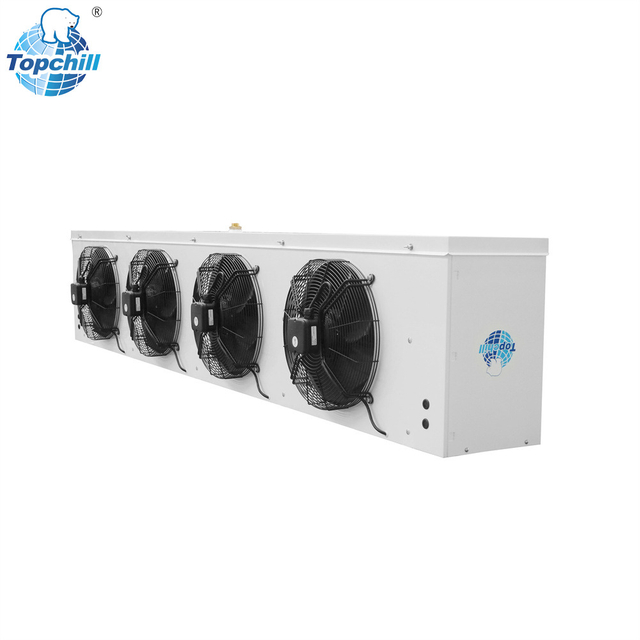
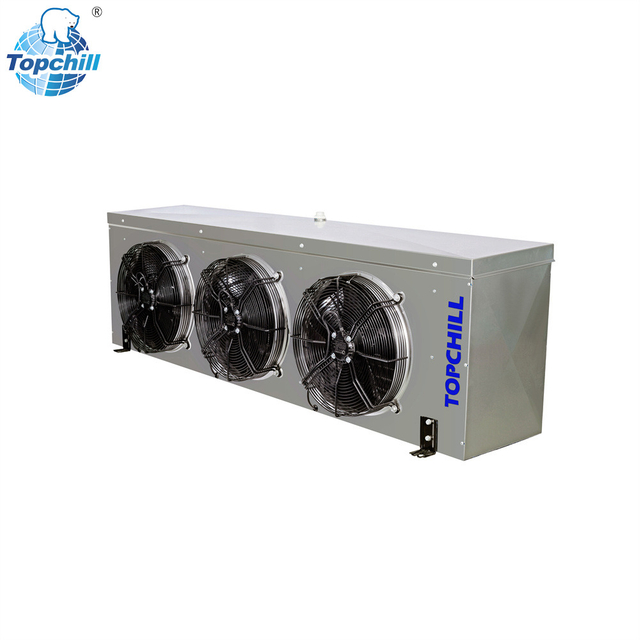
Blast freezer mechanics operate on an entirely different thermodynamic principle. They act as active processing engines. They utilize high-velocity, multi-directional airflow. This aggressive air circulation physically strips away the thermal boundary layer surrounding the hot food. A thermal boundary layer normally acts as an invisible blanket of insulation. By destroying it constantly, blast systems accelerate heat transfer exponentially. You can see this peak performance when a facility utilizes a Rapid-Cooling Blast Freezer Air Cooler TIF unit. This integration drives extreme air circulation. It ensures rapid, uniform temperature drops across all loaded trays or trolleys. It completely eliminates warm dead spots within the cabinet.
Time-to-temperature metrics reveal the stark contrast between these two methods. You cannot ignore the operational differences. Normal freezers typically require 12 to 24 hours to freeze core product temperatures safely. Conversely, industrial blast freezers execute this task in a fraction of the time. They achieve the critical +70°C to -18°C temperature drop in under 90 to 240 minutes. This speed fundamentally changes how a facility operates.
Performance Metric | Regular Commercial Freezer | Industrial Blast Freezer |
|---|---|---|
Airflow Mechanism | Passive convection or low-speed fans | High-velocity, multi-directional forced air |
Primary Role | Long-term ambient temperature maintenance | Active thermal load pull-down processing |
Target Time (-18°C) | 12 to 24 hours | 90 to 240 minutes |
Thermal Mass Handling | Poor; risks raising internal cabinet temps | Excellent; designed for rapid heat extraction |
Food quality depends heavily on the science of the freezing curve. Water molecules behave predictably when they change states. When water freezes slowly near 0°C, molecules have time to align. They form large, damaging lattice structures. We call these macro-crystals. These large ice formations act like microscopic blades inside the cellular structure of your ingredients.
Regular freezers rely on slow freezing. This sluggish process allows macro-crystals to expand and pierce delicate cell walls. You will only see the true damage later. Upon defrosting, the ruptured cellular fluids leak out rapidly. The industry calls this phenomenon "drip loss." Some also refer to it as freezer burn. Drip loss causes severe operational headaches. It ruins the cellular texture of premium meats, seafood, and fresh fruits. It also causes immediate weight loss. You buy products by weight, and you often sell them by weight. Losing 10% of your product volume to liquid runoff directly destroys profit margins.
The blast freezing solution addresses this biological vulnerability directly. Rapid temperature reduction forces the moisture inside food to freeze instantly. Water molecules do not have the time to form large lattices. Instead, they form harmless micro-crystals. This rapid transition delivers several crucial benefits:
Cellular Preservation: Micro-crystals keep delicate cell walls fully intact.
Flavor Retention: Essential oils and aromatic compounds remain locked inside the ingredient.
Moisture Control: Defrosted items retain their original juiciness and cooking weight.
Visual Appeal: Fruits and vegetables maintain their natural bright colors instead of turning dull.
Foodborne illness remains a constant threat in commercial catering. Bacteria like Salmonella and E. coli thrive in specific thermal conditions. We call this the Danger Zone. The Danger Zone spans from 8°C to 68°C. Within this range, bacterial populations double every 20 minutes. You must move food through this zone as fast as physically possible.
Standard freezers fail completely when handling hot batches. Placing freshly cooked food into a regular freezer creates a localized disaster. The hot food radiates heat, raising the internal cabinet temperature. This jeopardizes your existing frozen inventory. It also fails to cool the hot food quickly enough. The core of the food batch stays inside the Danger Zone for hours. Health inspectors routinely flag this dangerous practice.
Regulatory alignment requires precision and verifiable data. Blast freezing ensures strict HACCP compliance everywhere. It safely drives core product temperatures down past bacterial thresholds within legally mandated timeframes. This provides a transparent, auditable food safety trail. Central kitchens and institutional catering facilities rely heavily on this trail. Hospitals and schools simply cannot risk a foodborne outbreak.
HACCP protocols generally expect facilities to follow a strict cooling sequence:
Initial Prep: Cook food to a safe internal temperature (e.g., above 74°C).
Immediate Transfer: Move hot pans directly into the blast freezer unit.
Rapid Pull-Down: Blast chill the product from +70°C down to +3°C in under 90 minutes.
Deep Freeze: Continue the blast cycle until the core hits -18°C.
Safe Storage: Transfer the fully frozen solid blocks into standard holding freezers.
Capital expenditure always dominates the initial equipment conversation. We must acknowledge the financial reality of thermal processing. Blast freezers require a substantially higher upfront investment. They use heavy-duty compressors. They feature specialized evaporators. They also draw massive peak-load energy consumption during the active chilling cycle. You cannot treat them as simple plug-and-play appliances.
However, successful operators evaluate equipment through Return on Investment (ROI) levers. Once you look past the initial sticker price, blast freezing unlocks multiple revenue protections. Yield retention represents the most immediate financial win. Zero drip loss means you sell exactly 100% of the purchased weight. If you process high-value proteins like wagyu beef or sashimi-grade salmon, this weight retention pays for the machine quickly.
Supply chain arbitrage provides another massive financial lever. Blast freezing enables the bulk purchasing of seasonal ingredients. You can buy summer berries at their lowest market prices. You shock-freeze them perfectly. You then use them year-round in high-quality baked goods. You lock in cheap costs while maintaining premium menu pricing.
Labor efficiency changes the entire operational model of a central kitchen. A blast freezer facilitates the popular "Cook-and-Chill" methodology. It allows your staff to prepare massive batches of sauces or soups once a week. They do not need to cook to order daily. You reduce overtime. You standardize portion control. You maximize your skilled labor hours efficiently.
Cost Category | Standard Freezer Impact | Blast Freezer Impact |
|---|---|---|
Initial CapEx | Low. Basic refrigeration parts. | High. Specialized heavy-duty engineering. |
Energy Usage | Consistent, low daily draw. | High peak load during active processing. |
Food Waste Costs | High. Drip loss and spoilage are common. | Virtually zero. Perfect cellular retention. |
Labor Spend | High. Requires daily batch cooking. | Optimized. Enables weekly bulk prep scheduling. |
Finally, we must consider cost avoidance. A blast system prevents inventory spoilage proactively. More importantly, it mitigates the financial devastation of a food safety recall. A single bacterial outbreak can destroy a brand overnight. Blast freezing acts as your ultimate insurance policy against the Danger Zone.
Equipment selection dictates your long-term operational success. You should not buy a blast freezer simply because it sounds advanced. You must match the technology to your exact physical workflow. Different facility models require vastly different thermal tools.
You should choose a regular commercial freezer when your primary operational need is long-term inventory holding. If products arrive at your facility already frozen from a distributor, a standard vault works perfectly. You simply need to keep the cold chain unbroken. Furthermore, standard freezers suit facilities where space and specialized ventilation remain limited. Heavy-duty compressors expel massive heat exhaust. You must have the HVAC infrastructure to handle it.
Conversely, you must invest in a blast freezer when you operate a true central kitchen. If you process raw or hot ingredients into frozen stock, you need active thermal pull-down. You also need this equipment if food quality post-defrost serves as a premium brand differentiator. High-end catering relies on perfect texture. Additionally, if you require high-turnover processing, standard freezers will fail. A highly productive facility might employ a Rapid-Cooling Blast Freezer Air Cooler TIF setup to manage roll-in trolleys. You flash-freeze entire racks in hours. Then you transfer those solid goods to a standard holding room.
Next-step actions for buyers require careful internal auditing. Before calling a supplier, you must gather your own data. Follow these concrete steps to build your business case:
Audit Daily Volume: Measure the exact weight of hot food your kitchen produces per shift.
Measure Cooling Times: Track how long it currently takes your batches to reach -18°C.
Calculate Moisture Loss: Weigh a batch of protein before freezing, and weigh it again after defrosting.
Assess Spoilage Costs: Review your accounting ledgers for wasted inventory over the past year.
Determine ROI: Compare the financial value of the waste against the CapEx of a blast system.
A regular freezer operates purely as a secure vault. It excels at preserving items already stabilized at low temperatures. A blast freezer functions as an active processing engine. It rapidly alters the physical state of hot or fresh ingredients to lock in peak quality. You must apply the right tool to the correct phase of your supply chain.
For businesses looking to scale up production, the upfront energy and equipment costs of blast freezing make financial sense. The initial sticker shock is overwhelmingly offset by the protection of product quality. You ensure strict regulatory compliance automatically. You also unlock massive operational efficiency through bulk cook-and-chill workflows. Yield retention alone transforms unit economics for high-volume caterers.
We strongly encourage buyers to consult with professional refrigeration engineers. Do not guess your thermal load requirements. Map out hybrid setups tailored to your specific floor plans. A smart facility uses blast chilling processing lines that feed directly into standard freezer storage rooms. Build a system that optimizes both speed and long-term energy efficiency.
A: A blast chiller quickly lowers food temperatures to a safe refrigerated state (around +3°C to +4°C) for short-term use. Chefs use it to stop the cooking process of items like pasta immediately. A blast freezer pushes the core temperature down to -18°C or lower for long-term suspended preservation.
A: It is highly inefficient. Blast freezers use aggressive airflow and high energy designed for short-duration processing. Once the product is frozen solid, it should be moved to a regular freezer room. Standard holding rooms provide long-term, energy-efficient storage for your inventory.
A: For maximum yield retention, commercial operators use dedicated thermalizers or controlled-thaw cabinets. These units gently bring the product from -18°C back to serving temperatures (e.g., +74°C). This controlled approach prevents damage to the delicate cellular structure preserved by the rapid blast process.
A: Yes. Contact plate freezers use refrigerant-cooled aluminum plates. They serve as an excellent alternative for perfectly flat, packaged goods. They offer extreme speed and lower energy use. However, they lack the operational flexibility of air blast freezers, which handle varying food shapes and large trolley sizes easily.