Views: 0 Author: Site Editor Publish Time: 2026-01-06 Origin: Site


When selecting an evaporator for your refrigeration system, whether for industrial, commercial, or residential use, one of the key decisions you will need to make is whether to go with an air cooled evaporator or a water cooled evaporator. Both types of evaporators are used to cool and dehumidify air, but they operate in slightly different ways and are suited to different applications.
The question of which is better—air cooled or water cooled—depends largely on the specific needs of your system. In this article, we will compare air cooled evaporators and water cooled evaporators, exploring their features, benefits, drawbacks, and ideal use cases. By the end, you will be better equipped to choose the right evaporator for your refrigeration system.
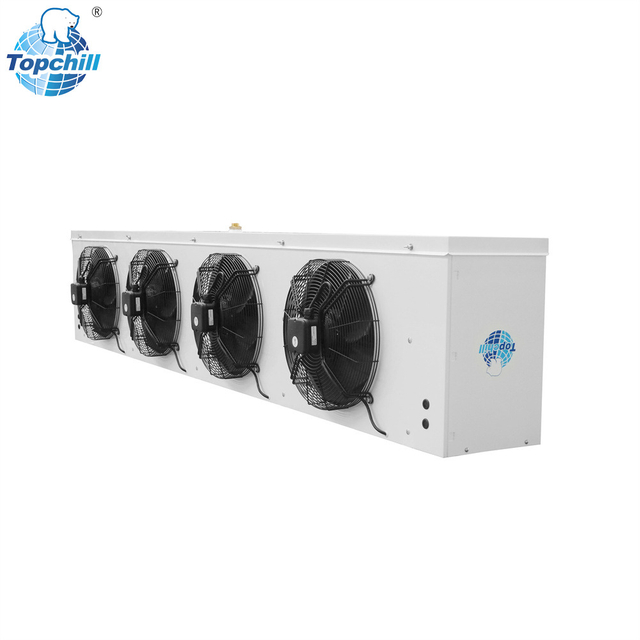
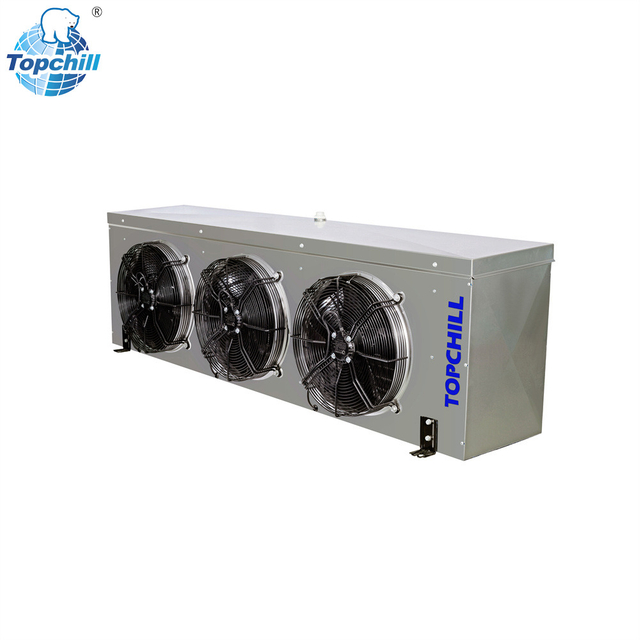
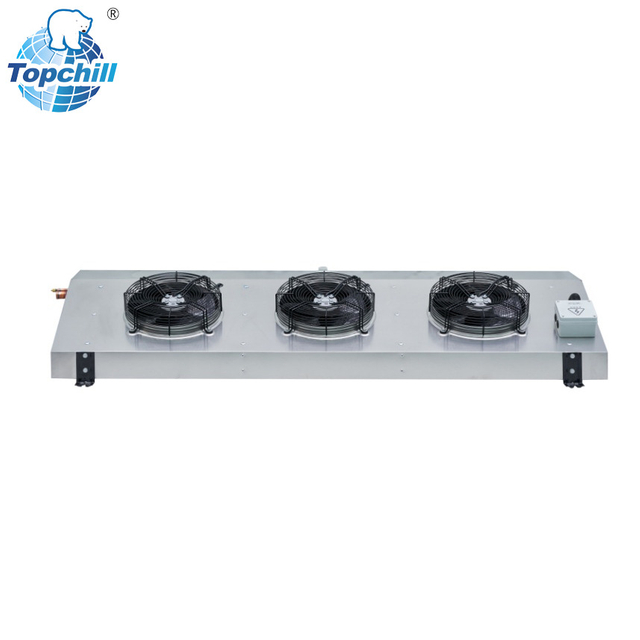
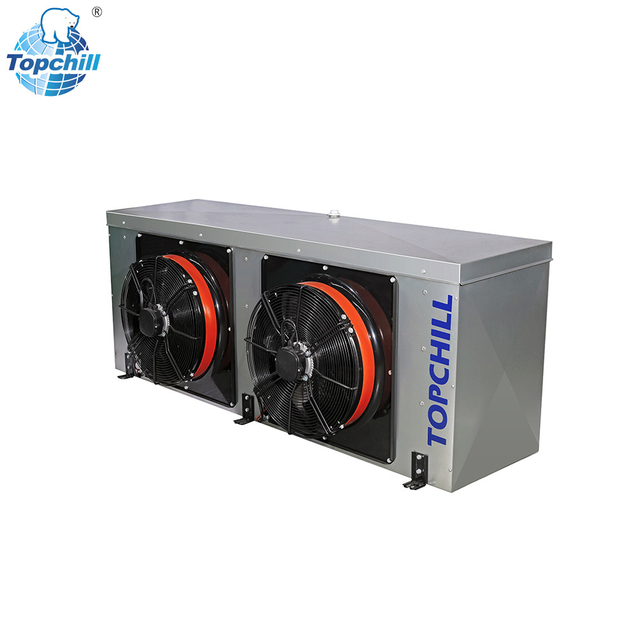
Air cooled evaporators are key heat exchange components in refrigeration systems. They use fans to circulate ambient air across evaporator coils, where the liquid refrigerant inside the coils absorbs heat from the air and evaporates into a gaseous state. This heat absorption process cools down the circulated air, providing the cooling effect for cold rooms or storage spaces. The heated, gaseous refrigerant then flows out of the evaporator to continue the refrigeration cycle.
Simpler design: Air cooled evaporators are typically easier to install and require less maintenance than water cooled systems.
Cost-effective: Because they do not require water connections or cooling towers, air cooled evaporators tend to be less expensive upfront.
Compact: Air cooled evaporators are more compact and space-efficient, making them ideal for smaller systems or tight spaces.
Small to medium-sized refrigeration systems
Environments where water availability is limited or not ideal for cooling
Areas with moderate ambient temperatures
Water cooled evaporators use water as a cooling medium to absorb heat from the refrigerant. In this type of system, water is circulated over the evaporator coils, transferring the heat from the refrigerant to the water. The heated water is then sent to a cooling tower or heat exchanger where it can release the heat to the outside environment.
More efficient in high-temperature environments: Water cooled evaporators can be more effective in cooling systems in areas with high ambient temperatures.
Smaller footprint: Water cooled systems generally require smaller units for the same cooling capacity, as water is more effective than air at transferring heat.
Reduced energy consumption: Water cooled evaporators are typically more energy-efficient in large industrial applications.
Large-scale industrial refrigeration systems
Environments with access to a reliable and consistent water source
Applications requiring high cooling capacity and precise temperature control
Simpler Installation: Air cooled evaporators are relatively easy to install. Since they don’t require a water supply or complex piping systems, the installation process is more straightforward, reducing both installation time and costs.
Cost-Effective: Due to the simpler design and the absence of water cooling towers or systems, air cooled evaporators are typically more affordable. They are an excellent choice for smaller or less complex refrigeration needs.
Minimal Maintenance: Air cooled evaporators have fewer moving parts compared to water cooled systems. They do not require water quality maintenance or the cleaning of cooling towers, making them easier and cheaper to maintain.
Flexible Location: Since air cooled evaporators don’t require water, they can be installed in a variety of locations without worrying about water infrastructure. This flexibility makes them ideal for residential, commercial, and smaller industrial applications.
Lower Efficiency in Hot Climates: Air cooled evaporators rely on ambient air to cool the refrigerant, which means they are less efficient in extremely hot climates. The higher the temperature of the surrounding air, the less effective the evaporator will be at transferring heat, leading to increased energy consumption.
Larger Units for Higher Capacity: To achieve higher cooling capacities, air cooled evaporators require larger units, which may not be ideal for space-constrained installations.
Higher Efficiency in Hot Climates: Water cooled evaporators are more efficient in hot climates because water can absorb and transfer heat more effectively than air. This makes water cooled systems an ideal choice for industrial refrigeration systems in hot environments.
Smaller Unit Size for Higher Capacity: Since water is a more efficient medium for heat exchange, water cooled evaporators can be smaller in size while offering the same cooling capacity as larger air cooled units.
Better Energy Efficiency: Water cooled evaporators typically consume less energy to achieve the same cooling capacity as air cooled systems, making them a more energy-efficient option in the long term.
Consistent Cooling Performance: Water cooled evaporators maintain consistent performance even in extreme weather conditions, making them ideal for industrial and large-scale applications.
Higher Initial Cost: Water cooled evaporators tend to be more expensive upfront due to the need for a cooling tower and additional infrastructure such as water pumps, pipes, and heat exchangers.
Water Consumption: Water cooled systems require a continuous water supply, which can lead to higher operational costs in areas where water is scarce or expensive. They also require proper water treatment to avoid scale buildup or corrosion, adding to maintenance costs.
Complex Installation and Maintenance: Installing and maintaining water cooled evaporators can be more complex and costly compared to air cooled systems. The system requires regular checks for leaks, water quality, and cleaning of cooling towers or heat exchangers.
Choosing between air cooled evaporators and water cooled evaporators depends on several factors, including the size of your refrigeration system, the climate of your location, your budget, and your operational needs. Here are some considerations to help you make the right decision:
If you are in a hot climate, water cooled evaporators are generally more effective due to the superior heat transfer properties of water. These systems maintain consistent performance even in high ambient temperatures.
In mild climates, air cooled evaporators can work efficiently without the need for complex infrastructure, making them a cost-effective choice.
For smaller systems or residential applications, air cooled evaporators are usually the better choice. They are affordable, easy to install, and require minimal maintenance.
For large-scale industrial systems that require high cooling capacities, water cooled evaporators are more efficient and can handle the demanding cooling needs of large facilities.
If you're working with a limited budget, air cooled evaporators are typically the more economical option. They have lower initial costs and do not require the installation of additional water cooling infrastructure.
For large, high-budget industrial systems, water cooled evaporators may offer better long-term energy savings, even though their initial investment is higher.
Air cooled evaporators are easier and less costly to maintain, as they don't require water treatment or cleaning of cooling towers.
Water cooled evaporators, while more efficient, require more maintenance due to the need for proper water management and cooling tower upkeep.
Choosing between air cooled evaporators and water cooled evaporators largely depends on your specific needs, location, and system requirements. While air cooled evaporators are cost-effective, energy-efficient, and simpler to maintain, water cooled evaporators offer higher efficiency, better cooling performance in hot climates, and smaller sizes for high-capacity systems.
At Chengdu Topchill Environmental Control Technology Co., Ltd., we specialize in providing high-quality evaporators for various industrial and commercial refrigeration needs. Our expertise in both air cooled and water cooled evaporators ensures that you get the right solution tailored to your system’s needs. Whether you're looking to upgrade your current system or install a new one, we offer reliable products that will keep your refrigeration system running efficiently and cost-effectively.
Feel free to reach out to us for more information about our evaporators and how we can assist with your refrigeration needs.
Q: What is the difference between air cooled and water cooled evaporators?
A: Air cooled evaporators use air to absorb heat, while water cooled evaporators use water. Water cooled systems are more efficient in hot climates and larger systems but require a continuous water supply.
Q: Which evaporator is better for industrial use?
A: For larger industrial systems, water cooled evaporators are generally better due to their higher efficiency and capacity to handle large cooling demands.
Q: Can air cooled evaporators be used in hot climates?
A: While air cooled evaporators work in hot climates, they are less efficient compared to water cooled systems in extreme heat. Water cooled evaporators provide more reliable cooling in high-temperature conditions.
Q: What maintenance is required for water cooled evaporators?
A: Water cooled evaporators require regular maintenance of the cooling towers, water quality checks, and cleaning to prevent corrosion and scale buildup, making them more maintenance-intensive than air cooled systems.